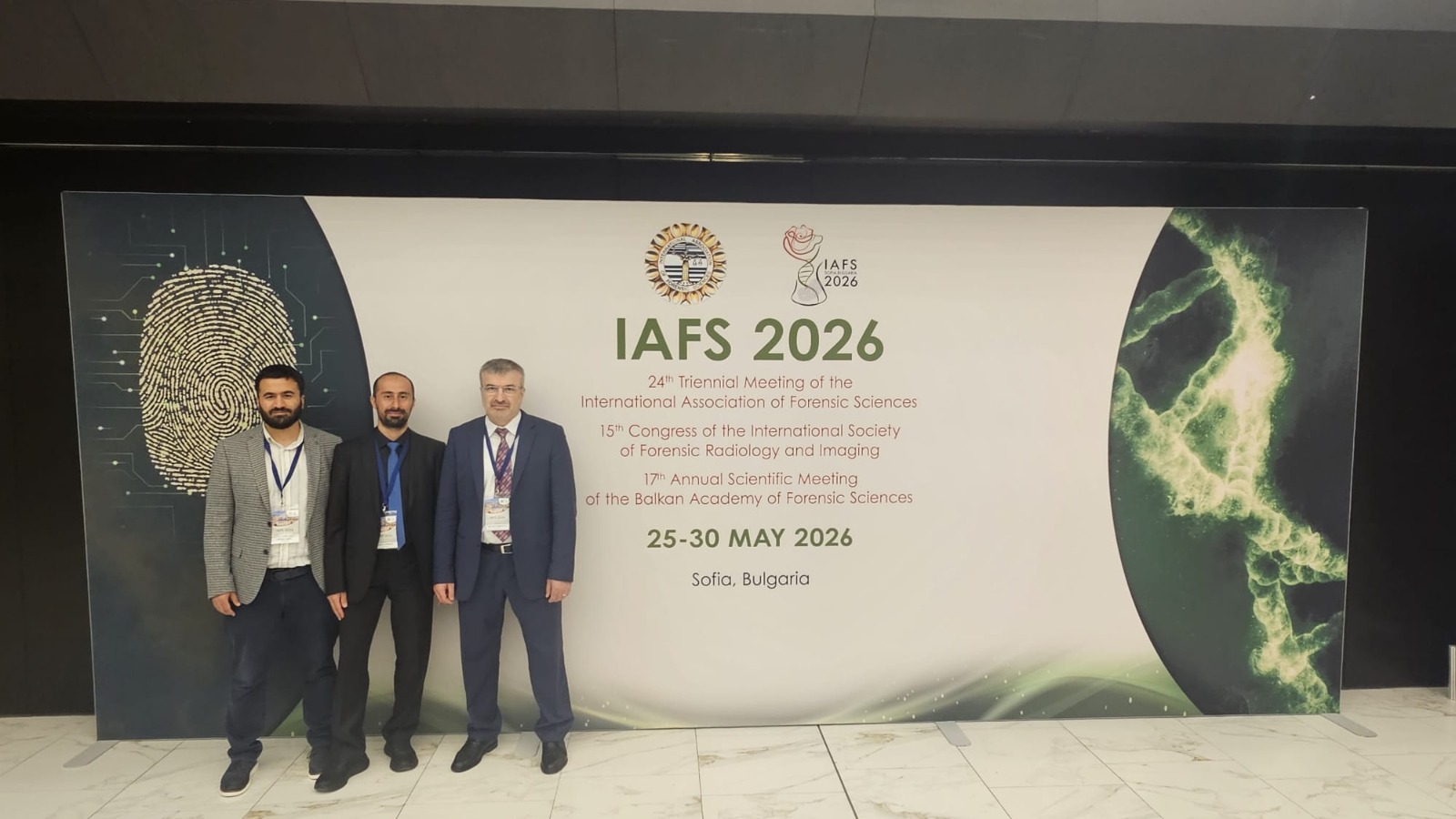
The TÜBİTAK UZAY BALİSTİKA team participated in the 24th International Association of Forensic Sciences Congress (IAFS 2026), held in Sofia, Bulgaria, from 25 to 30 May 2026. Recognized as one of the world’s leading international events in the field of forensic sciences, the congress brought together scientists, forensic experts, law enforcement representatives, laboratory managers, legal professionals, and technology developers from around the globe.
Organized every three years by the International Association of Forensic Sciences (IAFS), the congress serves as a major international platform for sharing the latest developments in forensic science and fostering global collaboration. Held under the theme “Working Together for the Future of Forensic Sciences,” this year’s event also hosted the 15th International Symposium on Forensic Radiology and Imaging (ISFRI 2026) and the 17th Annual Scientific Meeting of the Balkan Academy of Forensic Sciences (BAFS 2026), making it one of the largest international gatherings in the field.
The scientific program featured a broad range of current topics, including the application of artificial intelligence and machine learning in forensic sciences, image and video authentication, digital evidence analysis, laboratory process standardization, and next-generation educational approaches. The congress also provided an excellent opportunity for experts from around the world to exchange knowledge and experience.
BALİSTİKA System Showcased on an International Platform
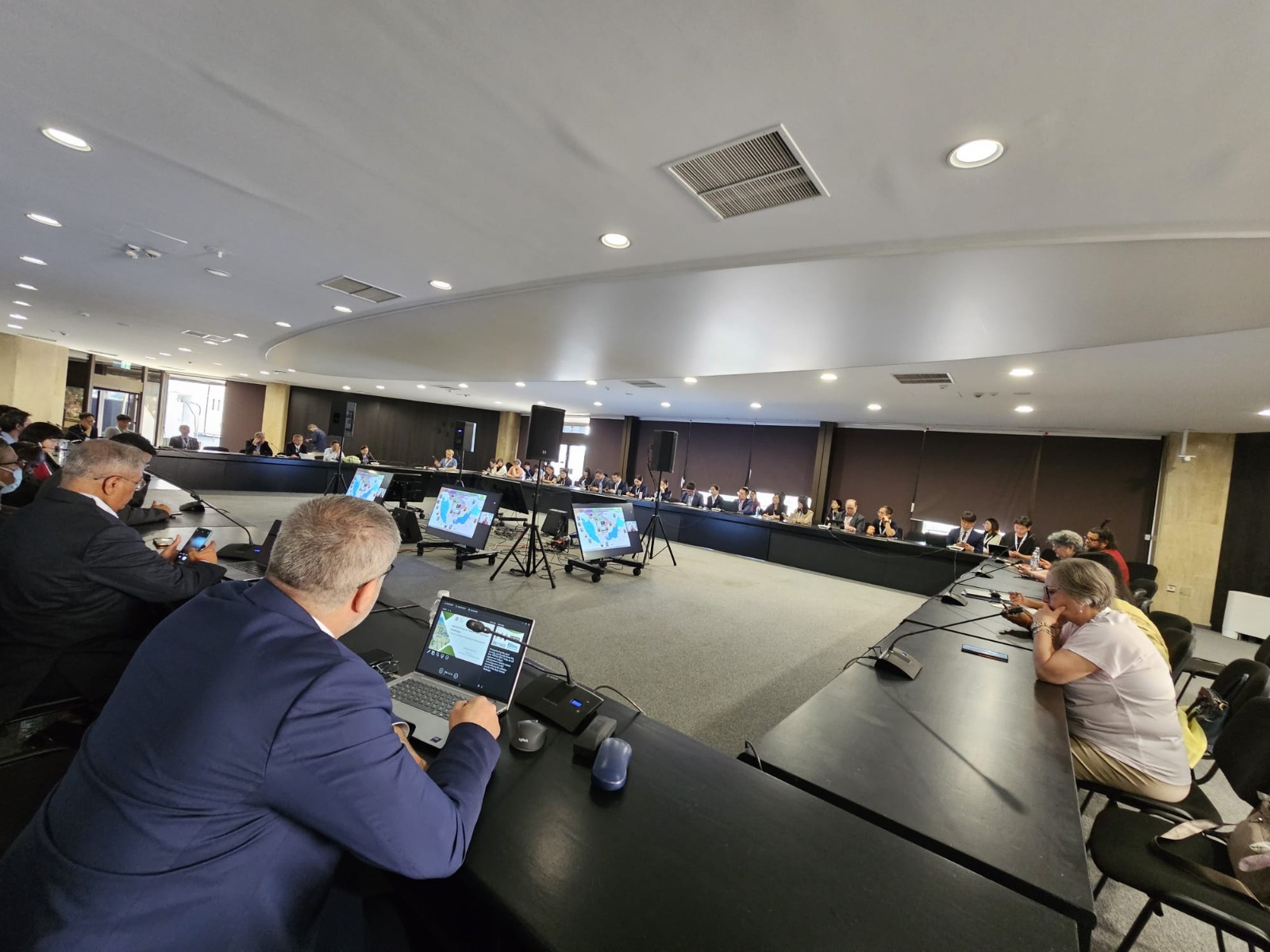
As part of the congress, our team participated in the special session titled “The Future of Forensic Sciences in Asia.” During the session, we delivered a presentation entitled “National Forensic Science Assets and Strategic Roadmaps: Türkiye’s Contribution to Forensic Sciences in Asia.” The presentation introduced the BALİSTİKA System and highlighted Türkiye’s capabilities and achievements in the field of forensic sciences. It also addressed strategic roadmaps for the advancement of forensic sciences across Asia and explored potential opportunities for international collaboration.
Our team also presented the scientific study entitled “Forensic Characterization and Automated Classification of Converted Blank-firing Pistols.” The presentation introduced BALİSTİKA’s approach to the forensic examination of converted blank-firing firearms, focusing on the comparison of complex ballistic evidence and AI-assisted classification techniques. The study provided an opportunity for international experts to evaluate innovative methods developed in the field of forensic ballistics.
New Opportunities for Education and Academic Collaboration
During the congress, we also introduced BALİSTİKA Educational Edition (BALİSTİKA-Ed), developed to support forensic science education and training. Designed for ballistic examiner training and academic research, the system attracted considerable interest from experts and academics representing various countries.
Meetings were held with academics from Malta, the Netherlands, the United Kingdom, and several other countries to explore potential collaborations involving the use of the BALİSTİKA System in education and research. In addition, discussions were held with academics from Turkish universities offering undergraduate and graduate programs in forensic sciences regarding the integration of BALİSTİKA into educational and academic activities.
Building New International Connections
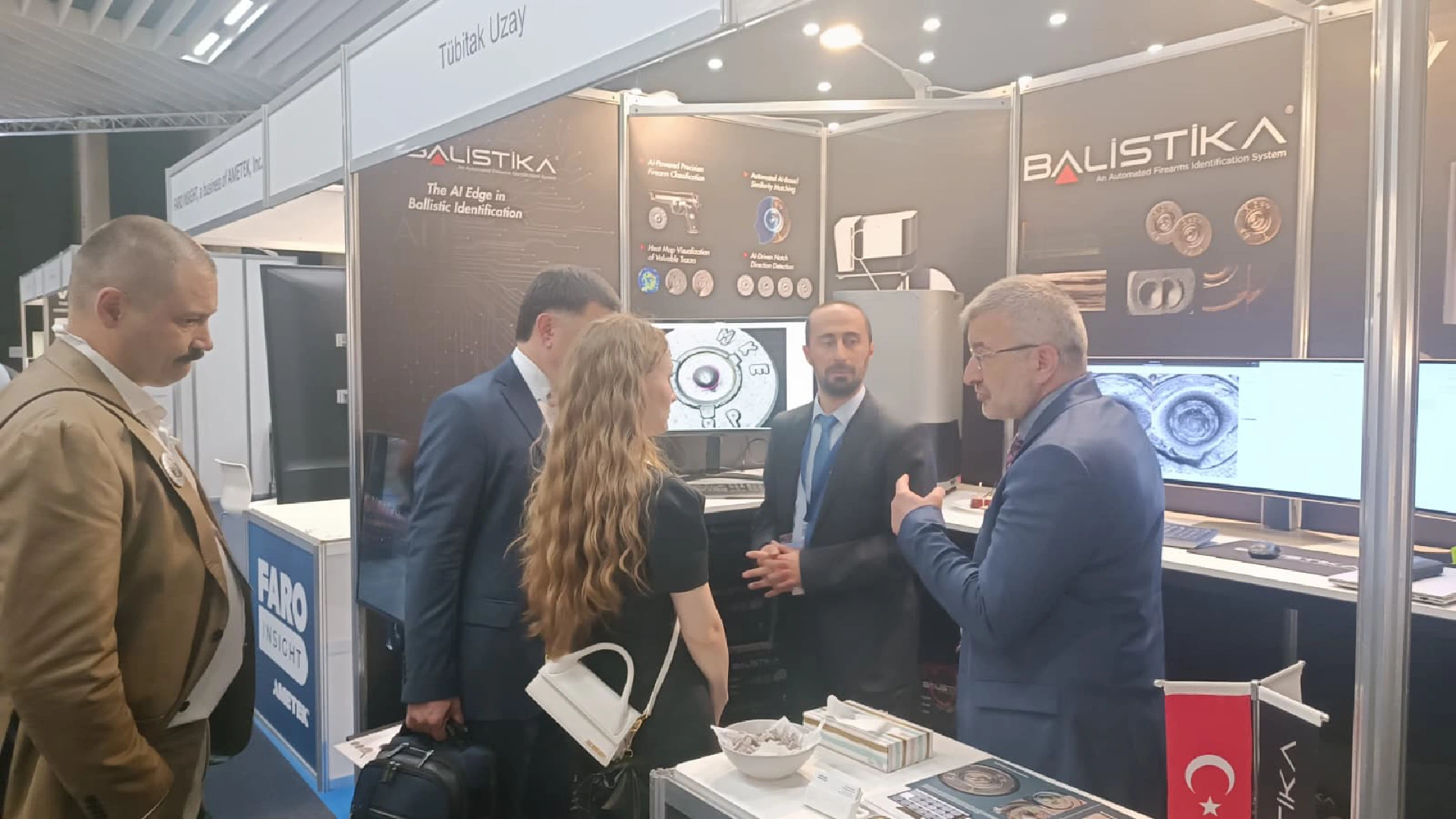
Throughout the congress, our team engaged with forensic science experts, academics, and public sector professionals from around the world. Live demonstrations of the BALİSTİKA System showcased its technical capabilities and its contribution to forensic examination processes.
We also met with specialists who expressed strong interest in BALİSTİKA and a willingness to pursue future collaboration, establishing a broad professional network across different areas of forensic science. Technical exchanges and discussions on potential collaborative initiatives have continued following the congress.
IAFS 2026 provided an important opportunity to enhance BALİSTİKA’s international visibility, follow the latest developments in forensic sciences, and explore new avenues for international cooperation.