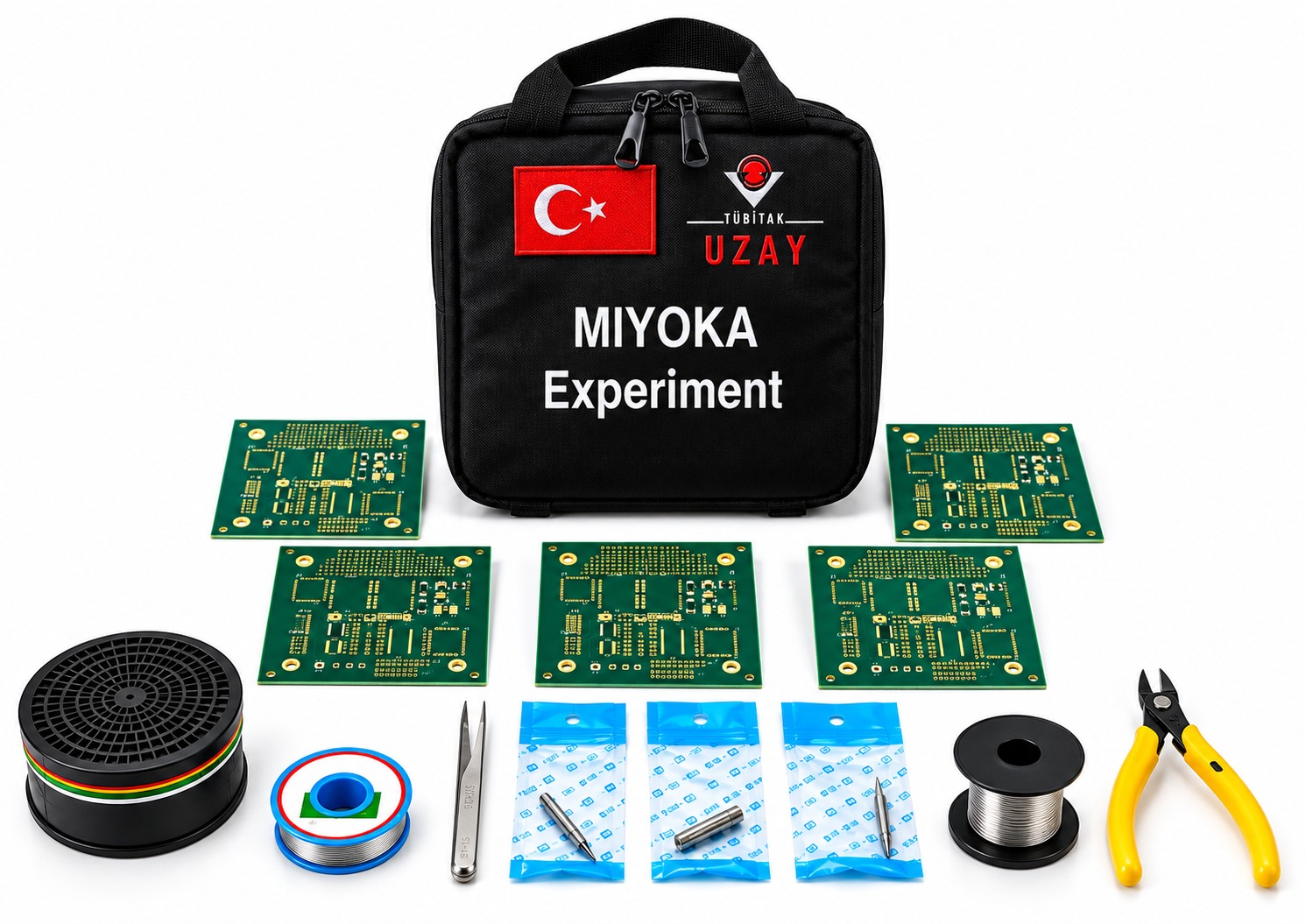

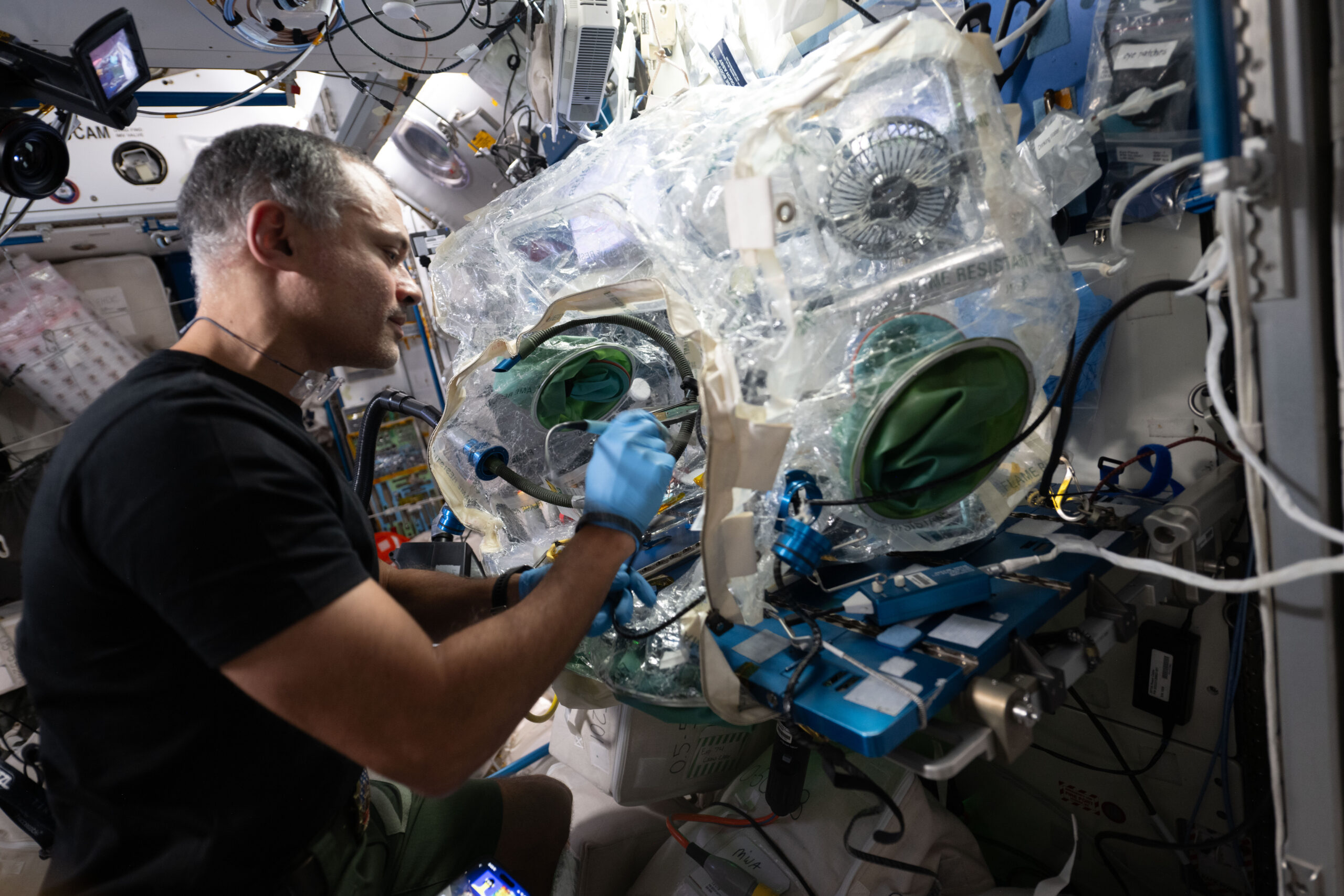
The second phase of the Microgravity Lead-Free Soldering Research (MIYOKA) experiment has officially concluded aboard the International Space Station (ISS).
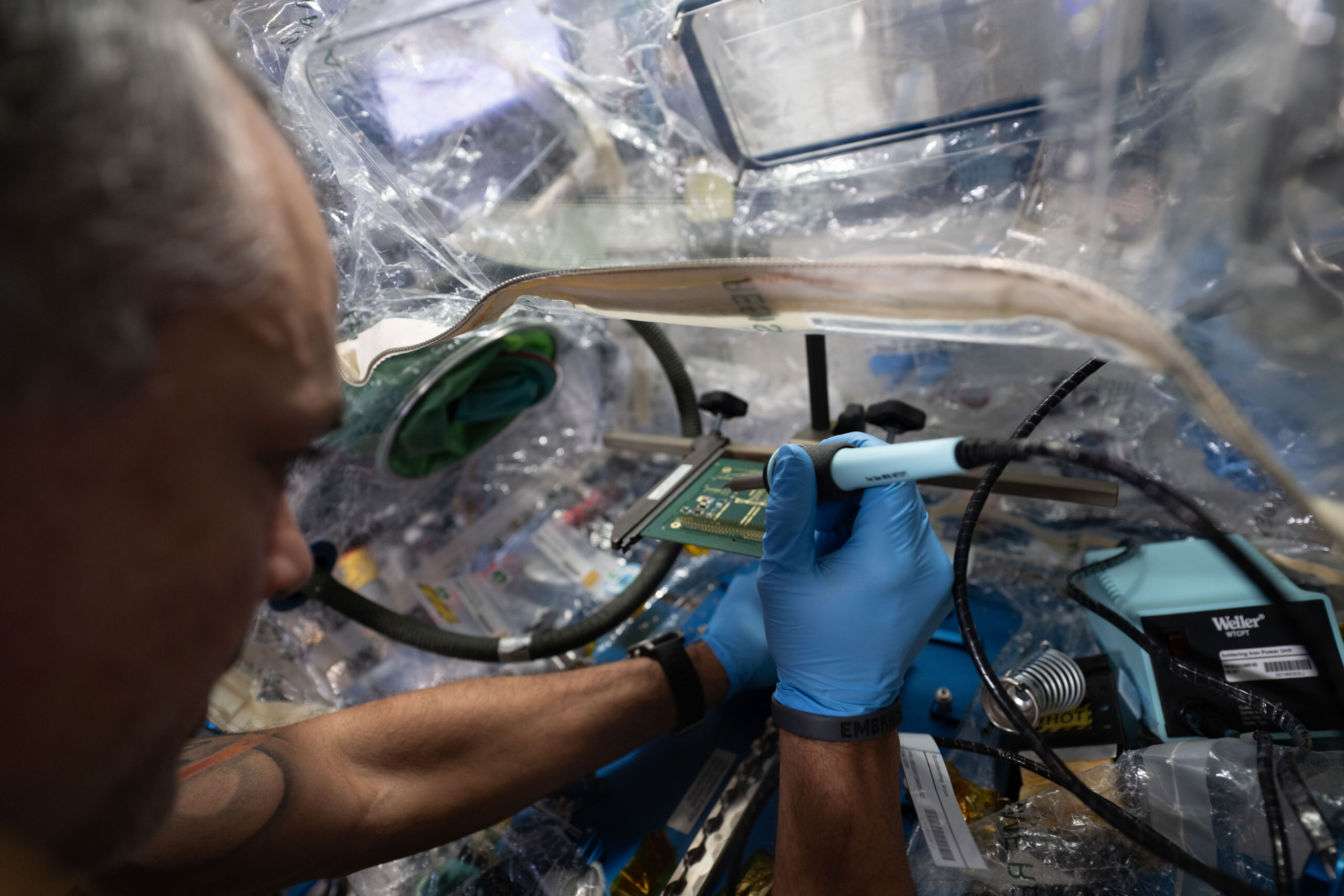
Developed by TÜBİTAK UZAY and implemented under the Turkish Astronaut and Science Mission (TABM), the experiment successfully wrapped up its on-orbit operations during (ISS – Expedition 75). The experiment was initially launched and initiated in orbit by Türkiye’s first astronaut, Alper Gezeravcı. The critical second phase was executed by NASA Flight Engineer Dr. Anil Menon between September 14 and 18, 2026. Now, the experimental module is awaiting its return journey to Earth. By demonstrating Türkiye’s capabilities in microgravity soldering and repair, MIYOKA will provide validated orbital infrastructure and crucial baseline data for future lunar, Martian, and deep space missions.
A Critical Milestone for In-Space Manufacturing
Delivered to the ISS on May 5, 2026, via the SpaceX SpX-34 , the module underwent its final procedures inside the ISS Harmony module. Performing precision applications on a circuit board using lead-free soldering techniques in microgravity is a critical step for the future of space technologies.
The foundational capabilities established by MIYOKA will allow future crews to reliably manufacture electronic components and perform on-site hardware repairs during extended missions to the Moon, Mars, and beyond. This infrastructure will significantly reduce future space crews’ reliance on costly and time-consuming resupply missions from Earth.
Upcoming Ground-Based Comparative Analysis
The scientific data and the hardware with space heritage will be brought back to Earth aboard the upcoming SpaceX CRS-35 mission. Once retrieved, the precision soldering joints will be compared against control samples manufactured on Earth under identical conditions. Executed by TÜBİTAK UZAY, the comparative analyses aim to shape the future of in-space manufacturing and guide the development of next-generation deep space technologies.