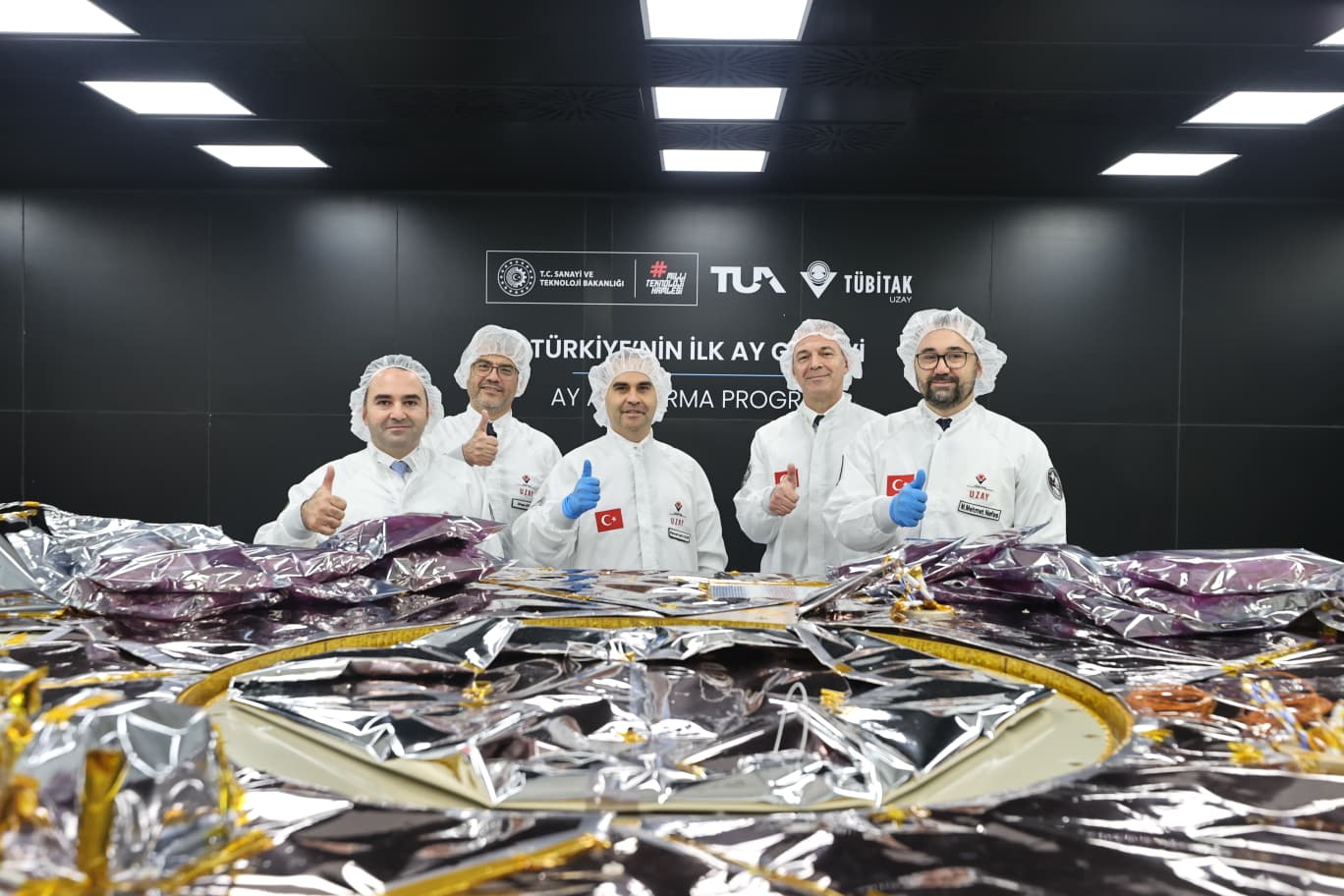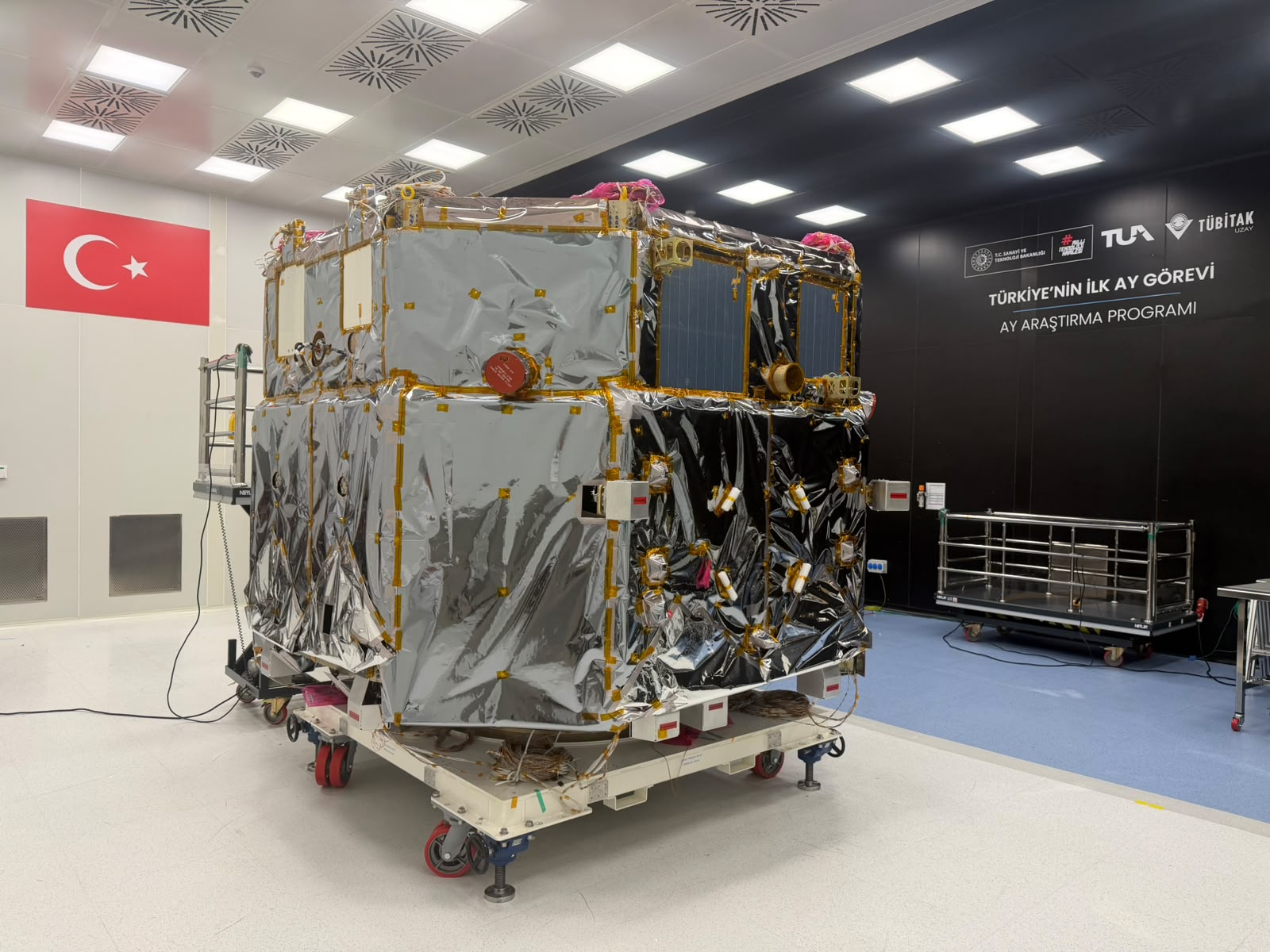

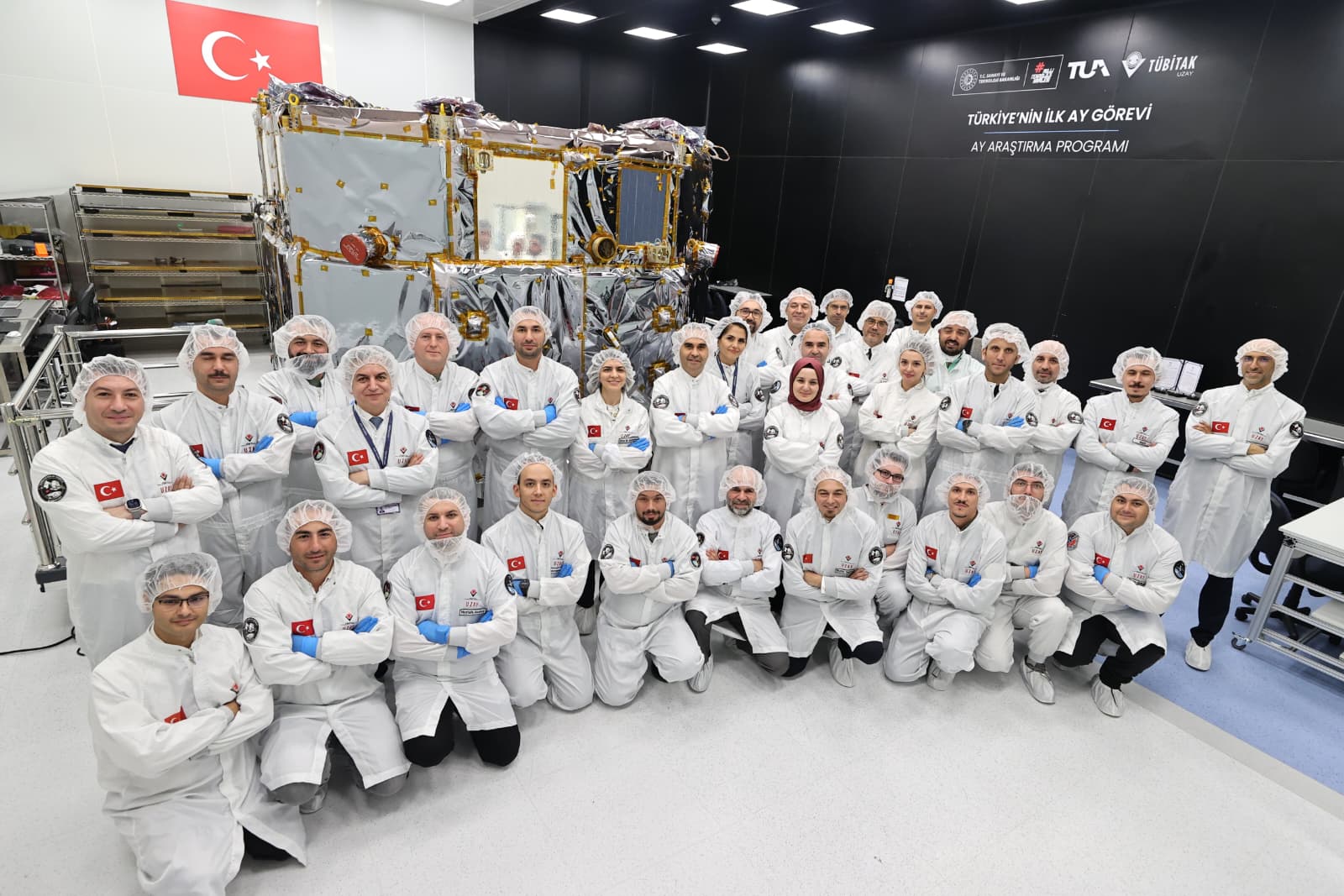
The manufacturing, assembly, and integration phases of the Lunar Spacecraft, developed by TÜBİTAK UZAY for Türkiye’s first lunar mission, have been successfully concluded. The spacecraft with a domestic content exceeding 80 percent is targeted for launch in the first half of 2027.
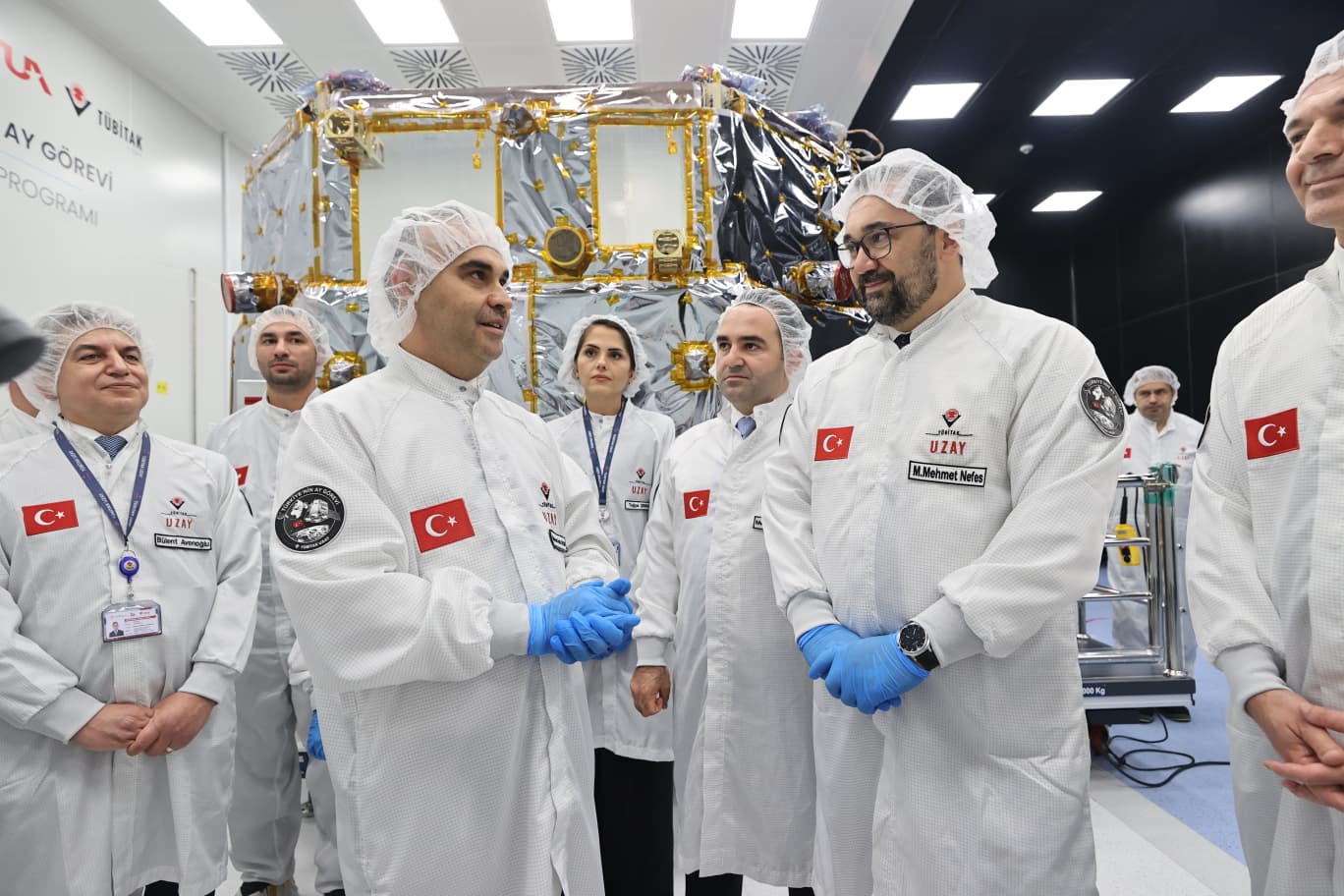
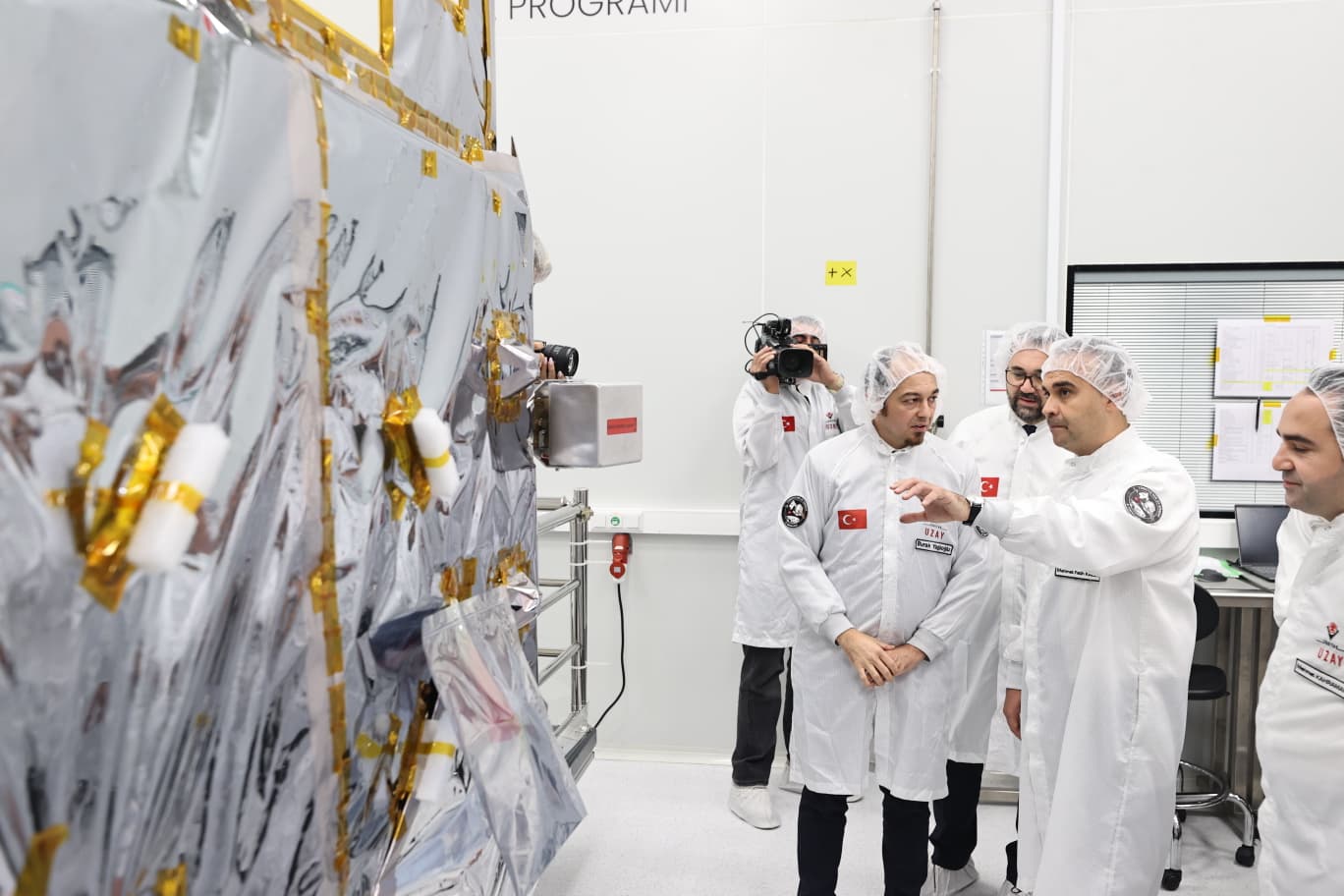
A critical milestone has been surpassed in the Lunar Research Program, executed within the National Space Program. Following the completion of the manufacturing, assembly, and integration activities by TÜBİTAK UZAY, the Lunar Spacecraft has been declared ready for the system-level environmental testing campaign.
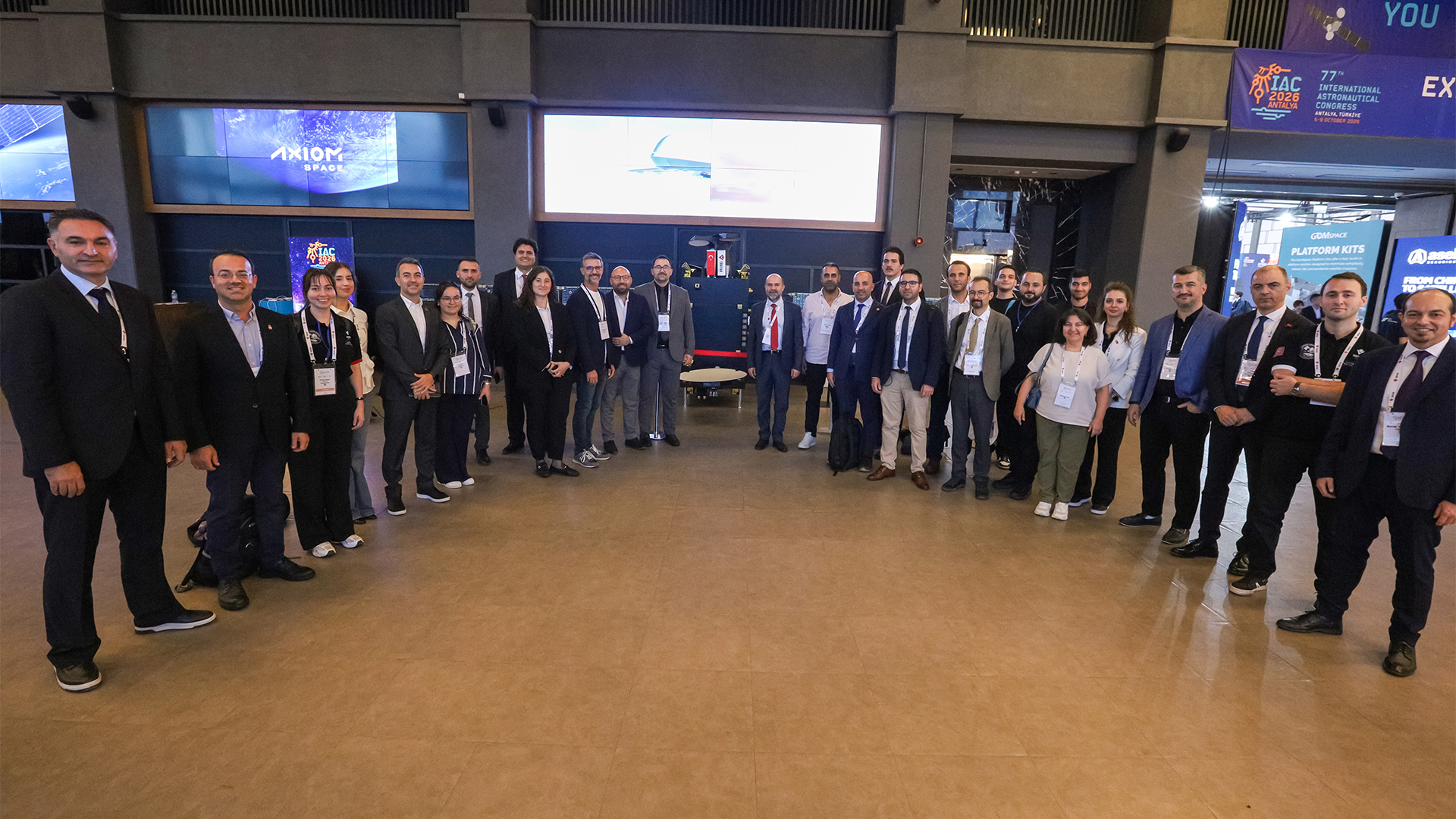
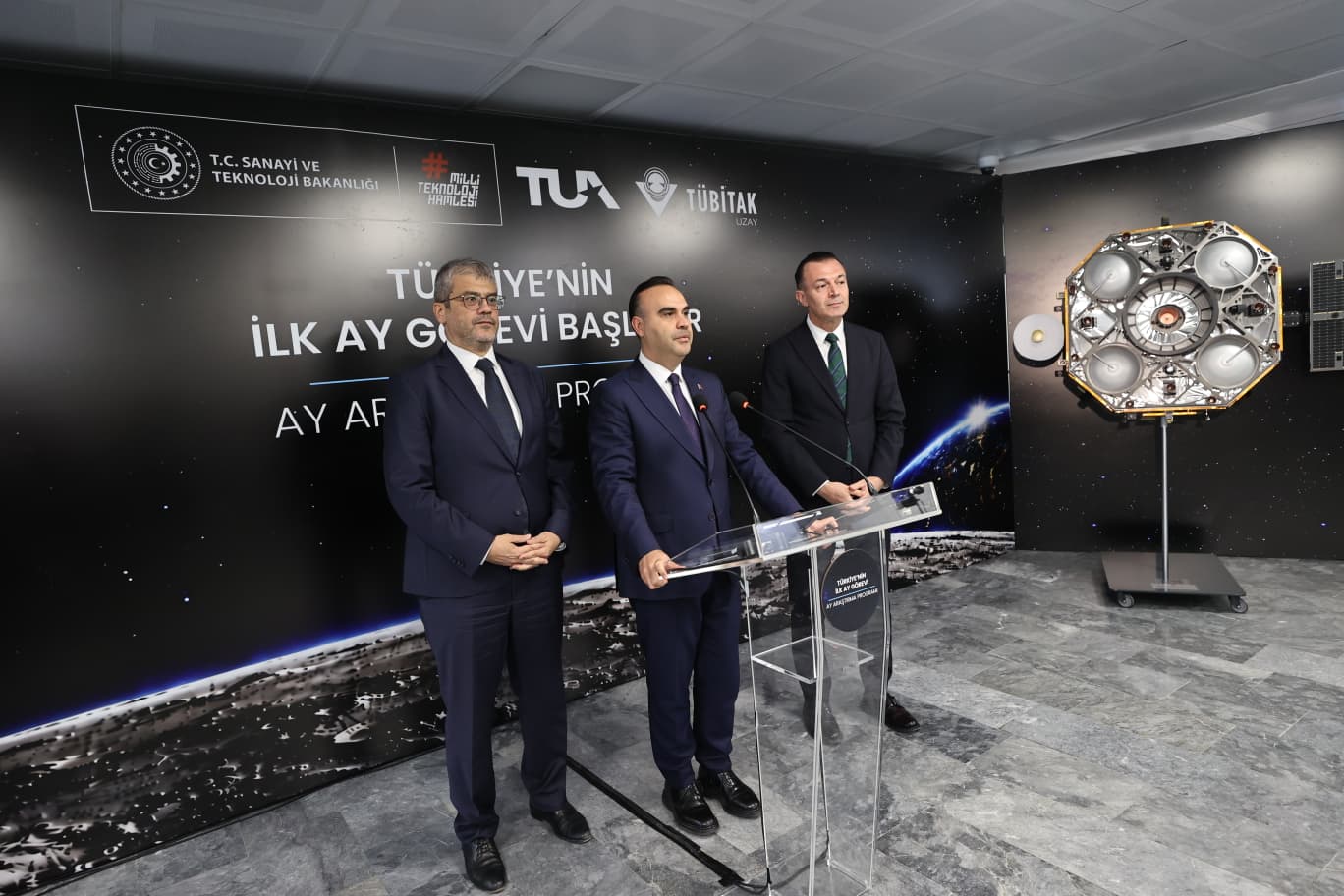
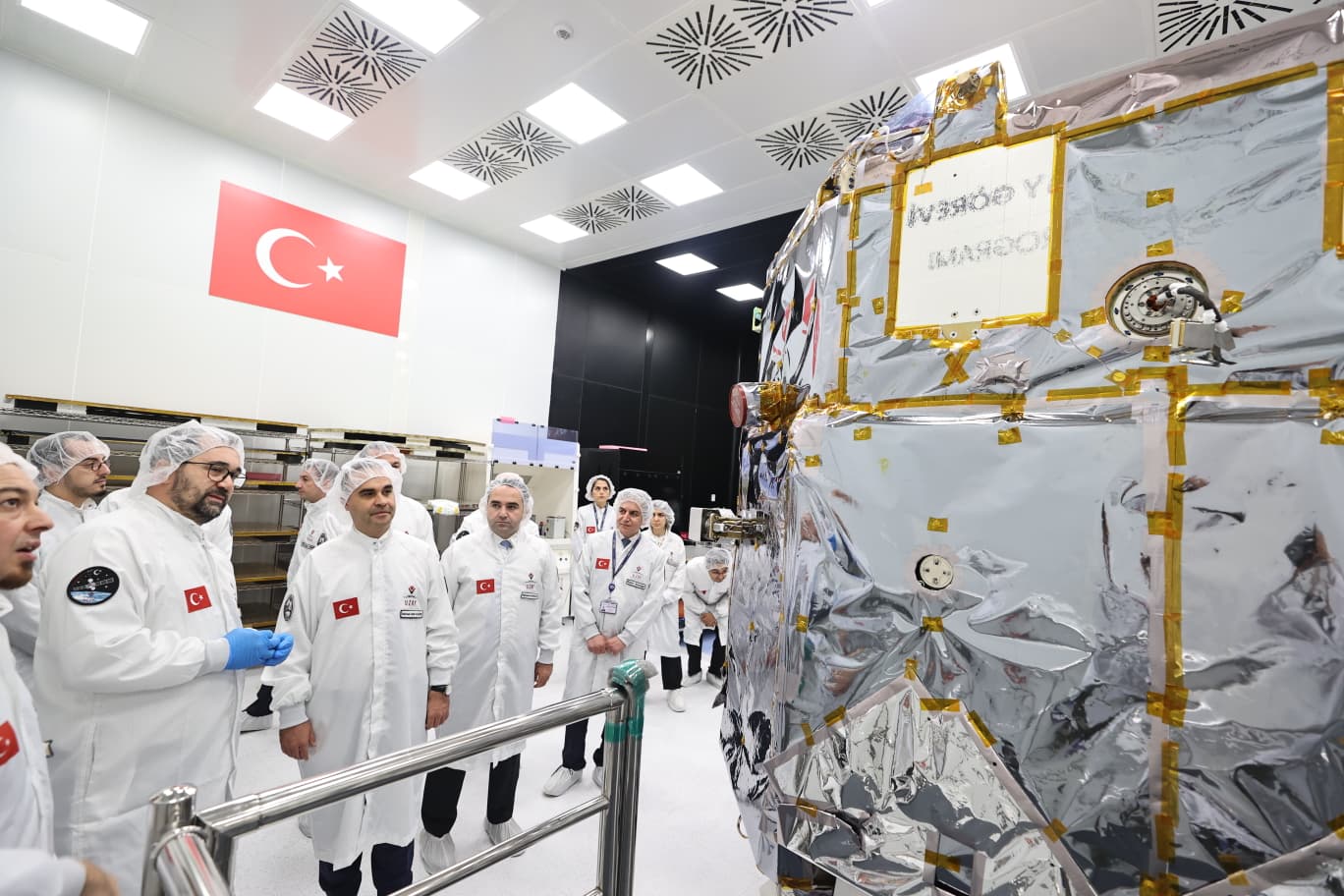
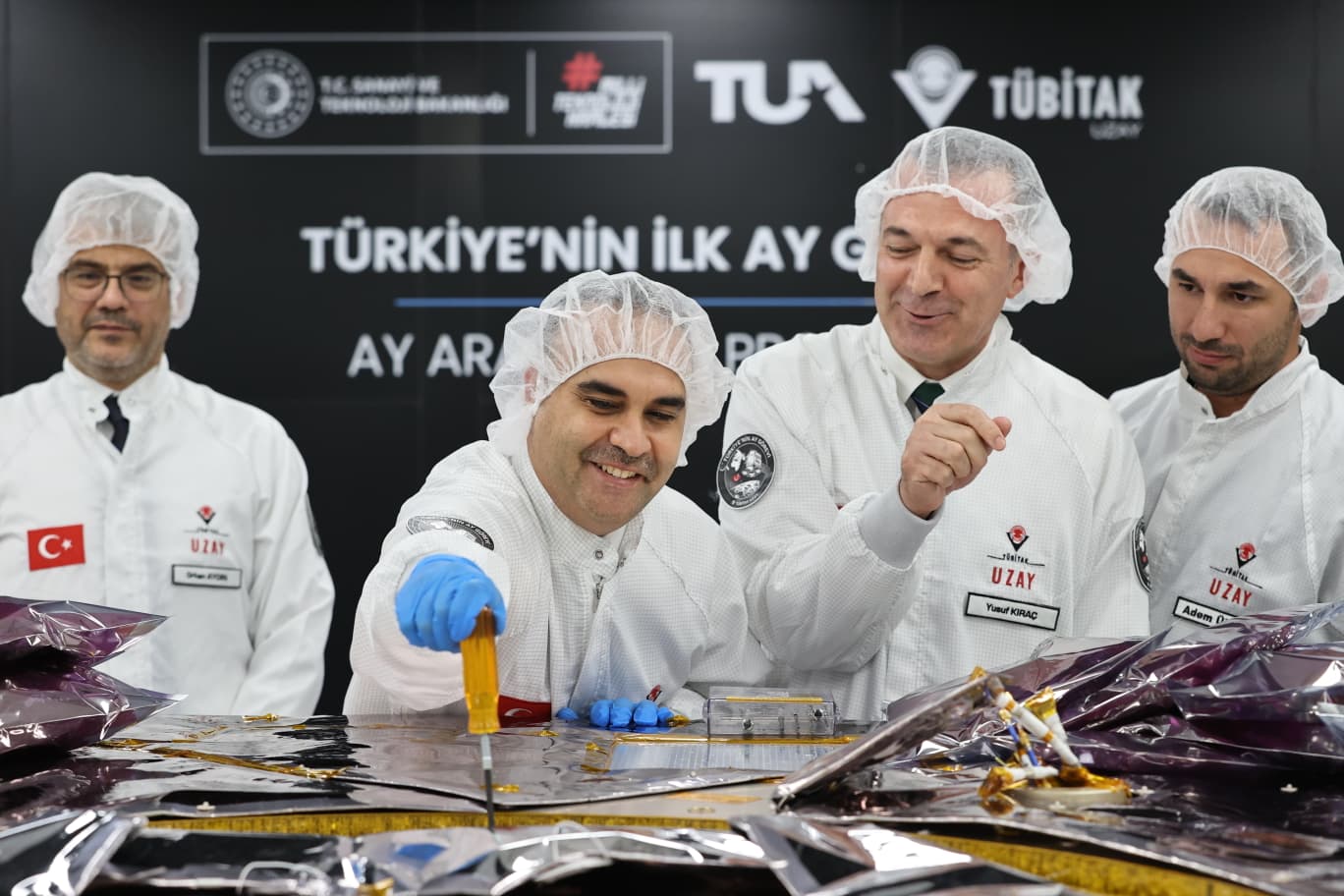
The Lunar Spacecraft was formally introduced to the public during a press conference held at the TÜBİTAK UZAY (OPMER) facilities on September 14, 2026, with the participation of Mehmet Fatih Kacır, the Minister of Industry and Technology.
Assessing the progress achieved in Türkiye’s first deep space mission during the press conference, Minister Kacır highlighted that the spacecraft’s transition to the environmental testing phase marks a significant threshold in Türkiye’s objective of taking its place among the countries conducting lunar exploration.
Scientific Operations in Lunar Orbit
Through the Turkish Lunar Mission, executed by TÜBİTAK UZAY within the Lunar Research Program, Türkiye aims not only to reach the Moon but also to acquire essential capabilities in deep space exploration.
Following its planned launch in the first half of 2027, the Lunar Spacecraft will embark on a translunar trajectory lasting approximately two months before the acquisition of a polar circular mission orbit at an altitude of roughly 100 kilometers above the lunar surface. The spacecraft will conduct nominal scientific and operational activities in this orbit for a minimum of three months. Depending on the mission execution performance, the operational lifespan could be extended up to 1.5 years.
Following the conclusion of the scientific exploration phase, the spacecraft will be guided toward the lunar surface through controlled deorbit maneuvers executed utilizing its propulsion systems including domestic Hybrid Propulsion System.
Lunar Spacecraft to be Subjected to Rigorous Environmental Testing
Upon concluding the manufacturing, assembly, and integration processes at the TÜBİTAK UZAY OPMER facility, the Lunar Spacecraft was transferred to the Space Systems Integration and Testing Center (USET) at Turkish Aerospace Industries (TAI), where system-level environmental testing will be conducted by TÜBİTAK UZAY experts.
The spacecraft with a launch mass of approximately 3.5 tons will undergo rigorous validation under system-level environmental tests against the extreme conditions that it will encounter during launch and in the space environment. During the testing campaign, the spacecraft’s structural integrity against vibration and dynamic loads, as well as its performance under the extreme thermal and vacuum conditions of space, will be verified. Thermal vacuum (TVAC), structural, and electromagnetic compatibility (EMC) tests will ensure that all spacecraft subsystems operate seamlessly together under simulated mission conditions.
Upon completion of the environmental testing campaign, the Lunar Spacecraft will be brought back to TÜBİTAK UZAY’s cleanroom and integration center at the Middle East Technical University (METU) campus for final pre-launch checks and preparations. Following the completion of final preparations, the spacecraft is planned to be shipped to Cape Canaveral in the United States.
56 out of 65 Subsystems Developed Domestically
Developed by Turkish engineers with more than 80 percent domestic content, the Lunar Spacecraft will extend Türkiye’s accumulated engineering heritage in satellite technologies to deep space.
Of the 65 critical equipment that will operate together throughout the mission, 56 have been developed domestically. The spacecraft’s primary structural bus, comprising 24 structural panels, alongside hundreds of structural, thermal, and harnessing components, were designed and manufactured utilizing national resources.
The domestic systems utilized on the Lunar Spacecraft include spacecraft management equipment, payload interface equipment, chemical propulsion interface equipment, temperature monitoring interface equipment, power conditioning and distribution equipment (PCDU), S and X-Band communication systems (receivers and transmitters, patch and horn antennas, low noise amplifiers, etc.), reaction wheels, inertial measurement units (IMU), flight harness, fixed solar arrays, video cameras, and a vision-based navigation system.
Technological Heritage Extending from İMECE and TÜRKSAT 6A to Deep Space
The development of the Lunar Spacecraft heavily leveraged the design, manufacturing, integration, testing, and operational expertise gained during Türkiye’s preceding national satellite projects.
Specifically, the technological know-how derived from the flight computers, communication architectures, power units, thermal control systems, control interface units, and attitude determination equipment developed for the İMECE and TÜRKSAT 6A projects formed the foundational baseline for the platform developed for the lunar mission.
The TstarD-100, deep-space customized variant of TÜBİTAK UZAY’s Tstar platform family, will function in an integrated manner to execute core operations such as power management, telecommunications, flight management, attitude and orbit control (AOCS), and thermal control.
Scientific Exploration and International Collaborations
The Turkish Lunar Mission aims to generate unique scientific data regarding the Moon and its environment enabling significant scientific exploration, in addition to leveraging deep space operational capabilities of Türkiye. In this context, the spacecraft will operate as a high-resolution lunar water cycle observatory in Lunar orbit.
As part of the mission architecture, the Lunar Spacecraft will carry four scientific payloads into lunar orbit, comprising two developed domestically and two via international partnerships.
The Indigenous Radiation Calorimeter and Radiation Dosimeter will characterize the radiation environment in the lunar orbit.
The Lunar Neutral Particle Telescope, developed by the Swedish Institute of Space Physics (IRF), will gather unique data to understand solar wind interactions with the lunar surface, water formation mechanisms on the Moon, and to the Moon’s local magnetic fields in high resolution.
The Lunar Narrow Field of View Radiometer, developed by China’s Shenzhen University, will be utilized to investigate the albedo properties, temperature distribution, and physical parameters of the lunar surface.
The scientific data acquired throughout the mission is intended to contribute to the research of academics and universities in Türkiye, as well as the international research community. Through these efforts, Türkiye aims to position itself among the selected nations contributing to global lunar exploration objectives, alongside achieving lunar access and deep space operational competence.
Türkiye Extends its Space Technology Heritage to Deep Space
The Turkish Lunar Mission is designed to cultivate the human capital, infrastructure, systems engineering proficiency, and operational experience requisite for Türkiye’s deep space missions.
With the launch of the Lunar Spacecraft, Türkiye’s extensive space technology heritage, accumulated through national satellite projects like BİLSAT, RASAT, GÖKTÜRK-2, İMECE and TÜRKSAT 6A, will be deployed into deep space for the very first time with a lunar mission.
The technological and operational competencies acquired through the Turkish Lunar Mission, which is Türkiye’s first deep space mission, are projected to establish a robust foundation for advanced deep space exploration missions to be executed in the future.