

The Tstar Satellite Platform Family brings together flexible and scalable satellite platform solutions developed by TÜBİTAK UZAY to meet mission requirements across different orbits. Designed for LEO, GEO, and deep-space missions, the platform family offers technologies for a range of applications, including Earth observation, communications, and space exploration. Developed through national engineering capabilities and experience gained from space missions, Tstar platforms feature adaptable architectures that accommodate different payloads and mission requirements, advancing Türkiye’s satellite development capacity and expertise in space technologies.
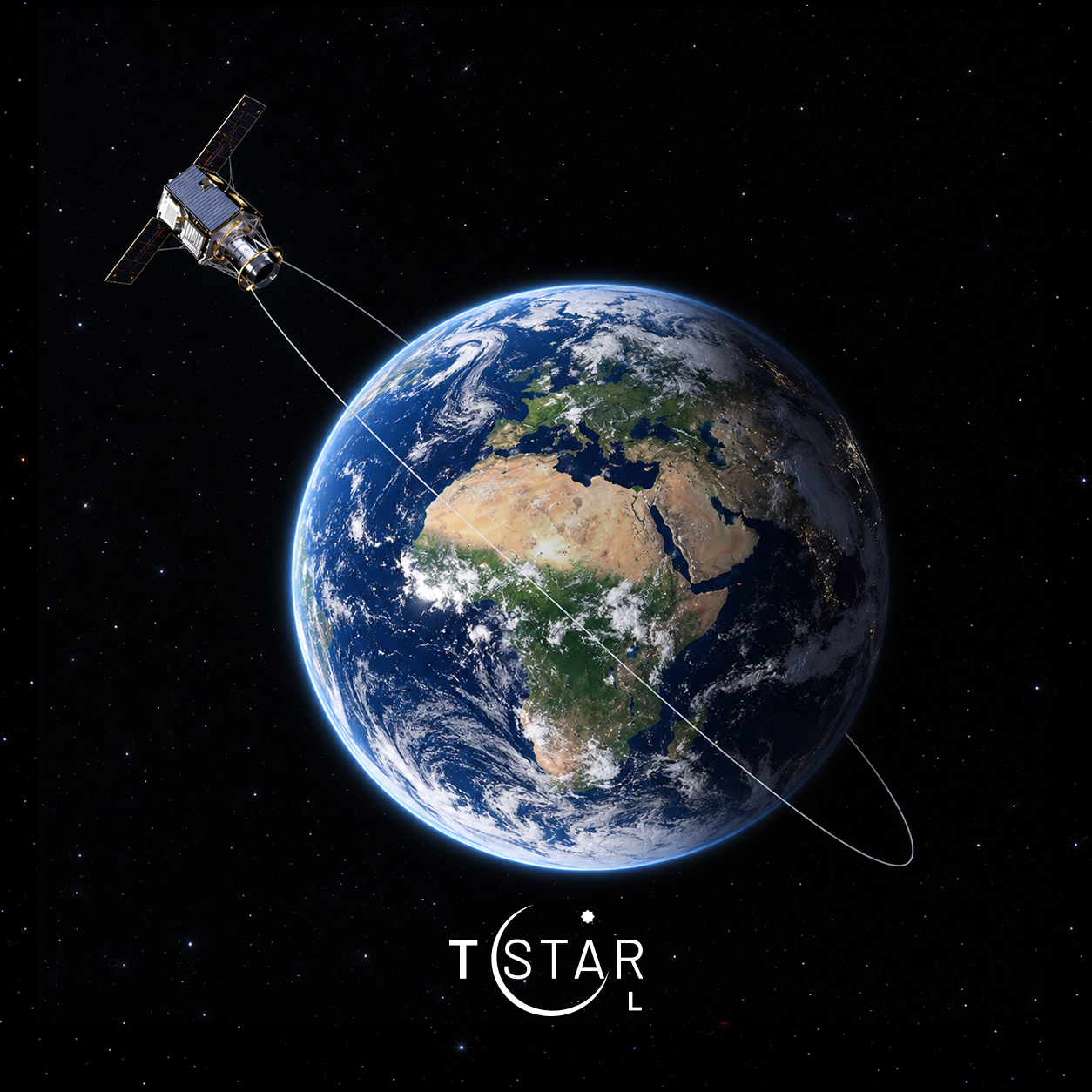
TstarL-100is Türkiye’s first domestically developed LEO satellite platform. Developed at TÜBİTAK UZAY based on the expertise gained from the RASAT (2011) and GÖKTÜRK-2 satellites, the platform carried İMECE, Türkiye’s first sub-meter-resolution Earth observation satellite, into orbit in 2023.
Designed for LEO missions, including Sun-Synchronous Orbit (SSO), TstarL-100 offers a payload capacity of up to 150 kg and an output power capability of up to 3.0 kW. Designed for a service life of more than five years, the platform features a xenon-fueled Hall-effect propulsion system. It provides attitude control accuracy of less than 0.1° and attitude determination accuracy of less than 0.005°. Its agility enables a 60° maneuver in less than 100 seconds. Compatible launch vehicles include Falcon 9, Soyuz, and Vega-C.
The TstarL platform family is entering a new phase with the High-Resolution Satellite Constellation Development Project (TUGEP). Encompassing the İMECE-2 and İMECE-3 (TstarL-101) Earth observation satellites, the project marks a shift at TÜBİTAK UZAY beyond individual satellite missions toward a satellite constellation concept, in which multiple satellites operate in an integrated manner in space.
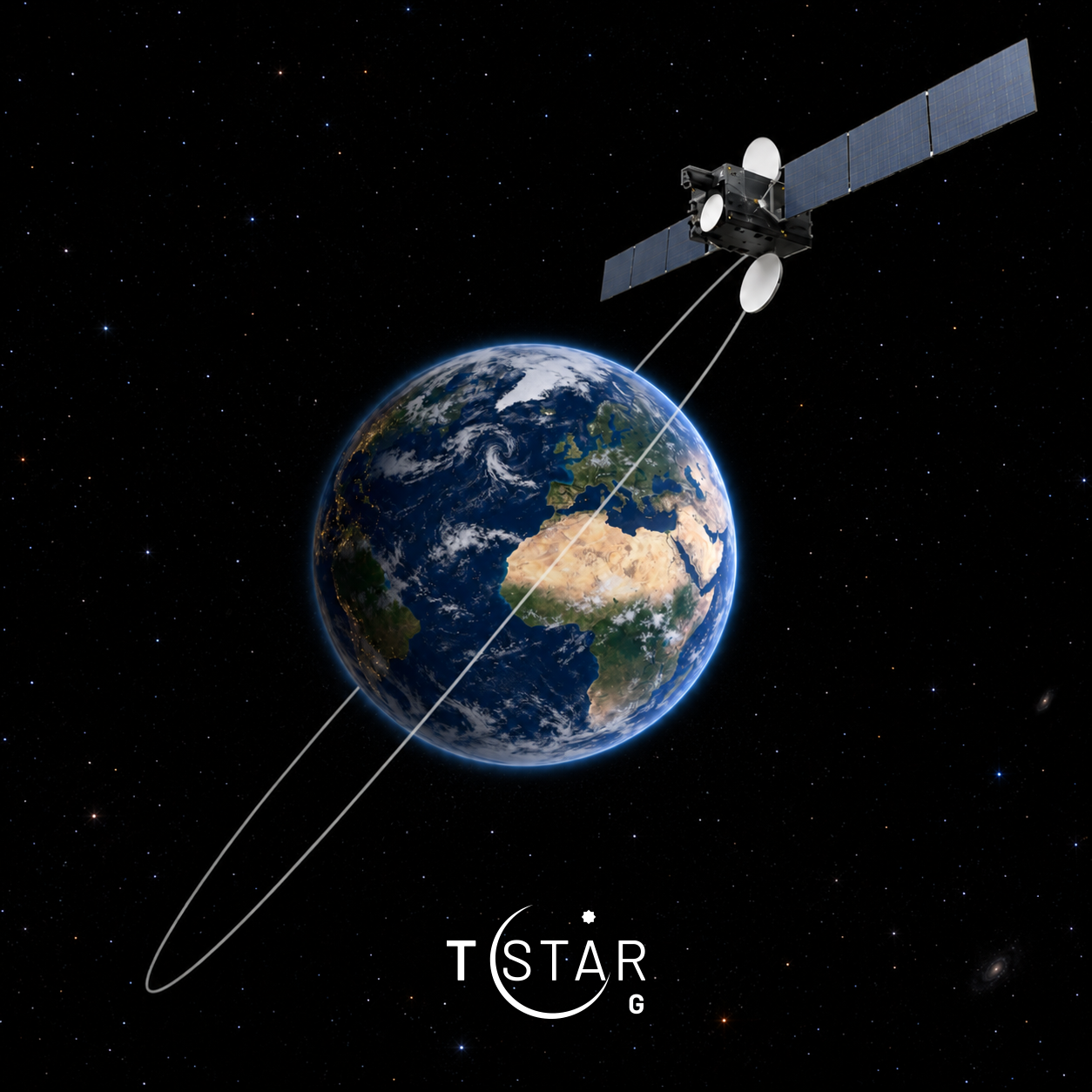
TstarG-100TstarG-100 is Türkiye’s first domestically developed GEO satellite platform. Developed at TÜBİTAK UZAY, the platform entered operational service in space following the launch of TÜRKSAT 6Ain 2024. With the development of TÜRKSAT 6A, Türkiye’s first national communications satellite, Türkiye joined the limited number of countries capable of designing and manufacturing their own communications satellites.
Designed for GEO missions, TstarG-100 supports long-duration missions with an output power capability of up to 10 kW and a service life of 15 years. Equipped with a fully regulated 100 V power bus and a lithium-ion battery system, the platform also features precise attitude determination and control capabilities. It provides attitude determination accuracy of less than 0.005°, with attitude control accuracy of less than 0.060° using reaction wheels and less than 0.120° using thrusters. Compatible launch vehicles include Falcon 9, Falcon Heavy, Ariane 6, and New Glenn.
The TstarG-100 platform used in TÜRKSAT 6A, together with its satellite equipment and software, establishes a space-heritage-qualified technological foundation for future communications satellites.
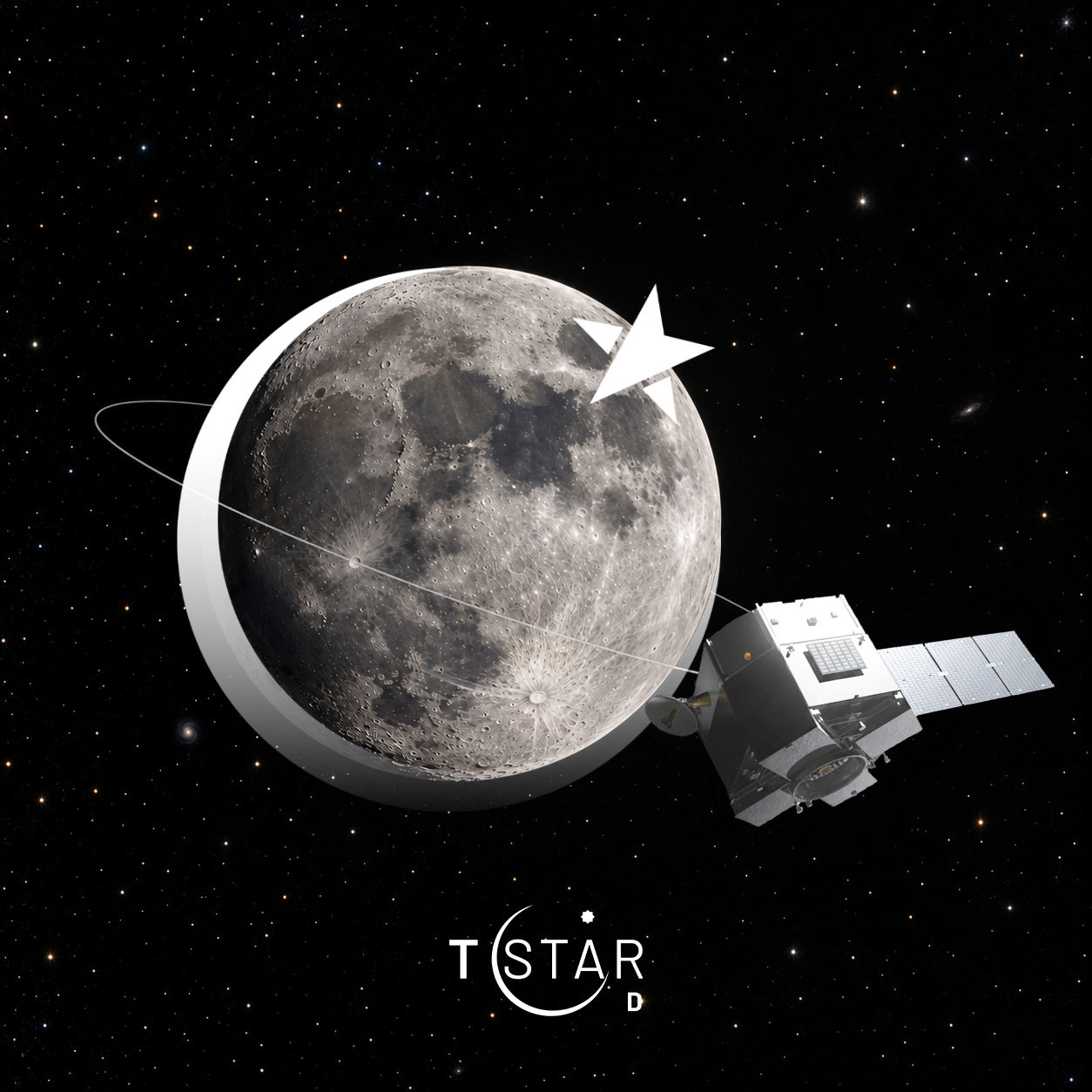
TstarD-100is Türkiye’s first deep-space mission platform, developed as part of the Lunar Research Program. Designed using domestic engineering capabilities, the platform integrates the power, communications, and attitude control subsystems required for spacecraft operating on missions to the Moon and beyond.
With a payload capacity of up to 300 kg and an output power capability of up to 2.6 kW, TstarD-100 accommodates a range of mission requirements. Its S-band and X-band communication systems support command reception and data transmission at 1 kbps over S-band and data downlink rates of up to 10 Mbps over X-band. The platform provides attitude determination accuracy of less than 0.005° and precise attitude control using reaction wheels and thrusters.
Designed for a mission lifetime exceeding three years, TstarD-100 features an adaptable architecture that supports different mission profiles for deep-space exploration. Its compatibility with launch vehicles from Blue Origin, MHI, SpaceX, and Firefly provides flexibility in launch options.
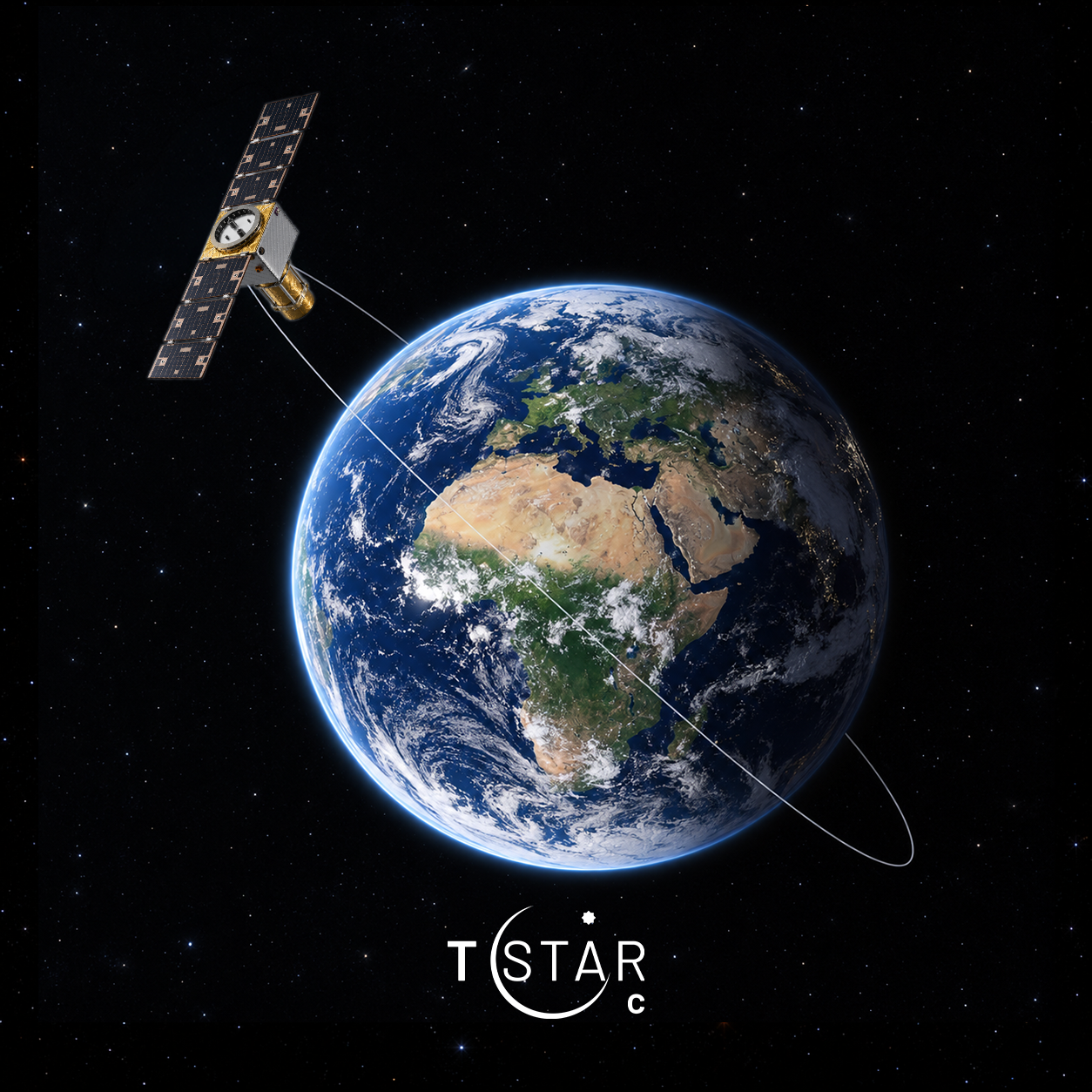
RASAT and GÖKTÜRK-2 have contributed to TÜBİTAK UZAY’s expertise in satellite development, which the organization is now building upon to advance next-generation microsatellite technologies through the GEZGİN-1 Satellite Project, bringing the TstarC-100 platform to life.
Designed for microsatellites weighing less than 75 kg, this next-generation platform integrates innovative technologies, including AI-based image processing, a green-propellant propulsion system, and a domestically developed deployable solar array. Scheduled for launch in 2028 Q4, GEZGİN-1 will feature high-resolution multispectral imaging capabilities and contribute to the development of national satellite systems for applications in agriculture, security and surveillance, and maritime operations. The mission will also support Türkiye’s goals of strengthening domestic capabilities and ensuring data independence in space technologies.