
For centuries, humanity has harbored a profound curiosity for the celestial expanse. Today, this curiosity has transformed into a universal vision that enables us to comprehend the universe and aims to enhance life on Earth through the scientific opportunities of the space environment.
As TÜBİTAK UZAY, we are stepping into a new chapter in this universal journey by carrying our nation’s technological heritage into deep space. Executed by our Institute as a strategic objective of the National Space Program, the Lunar Research Program secures our nation's voice in this global pursuit of discovery. With this mission, Türkiye is poised to become one of just nine countries to establish a lunar presence through its indigenous capabilities.
With the Lunar Research Program, we are expanding our advanced engineering capabilities beyond Earth's orbit. Through our indigenous technology, we aim to contribute to the collective knowledge of humanity.
Tstar family member Tstar-D, developed for our deep space missions, is turning this historic goal of Türkiye into reality.

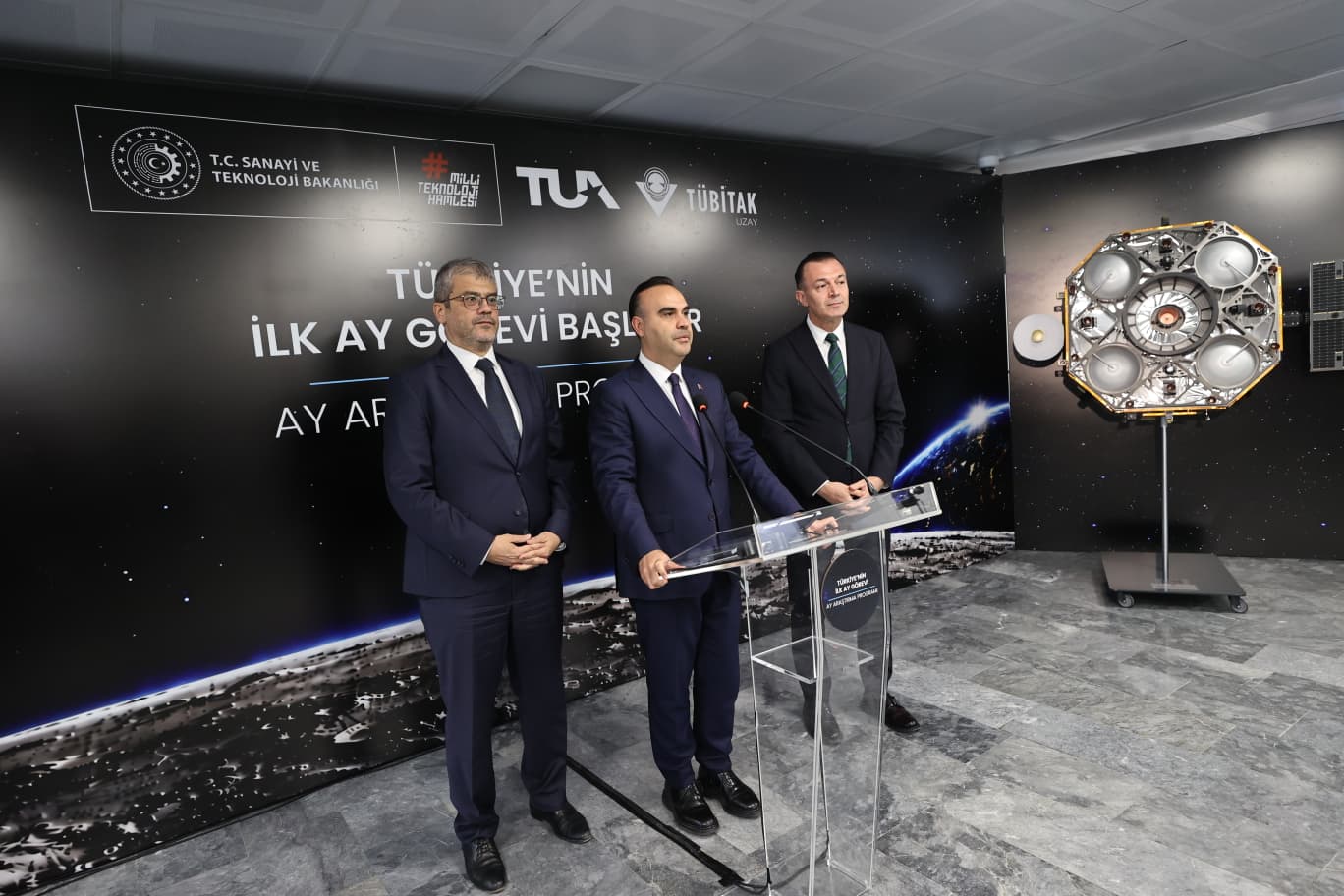
Türkiye is preparing to establish its first presence on the Moon in 2027 with the Lunar Research Program, one of the 10 strategic targets of the National Space Program. This historic mission, executed by TÜBİTAK UZAY, will prove our deep space access capabilities.
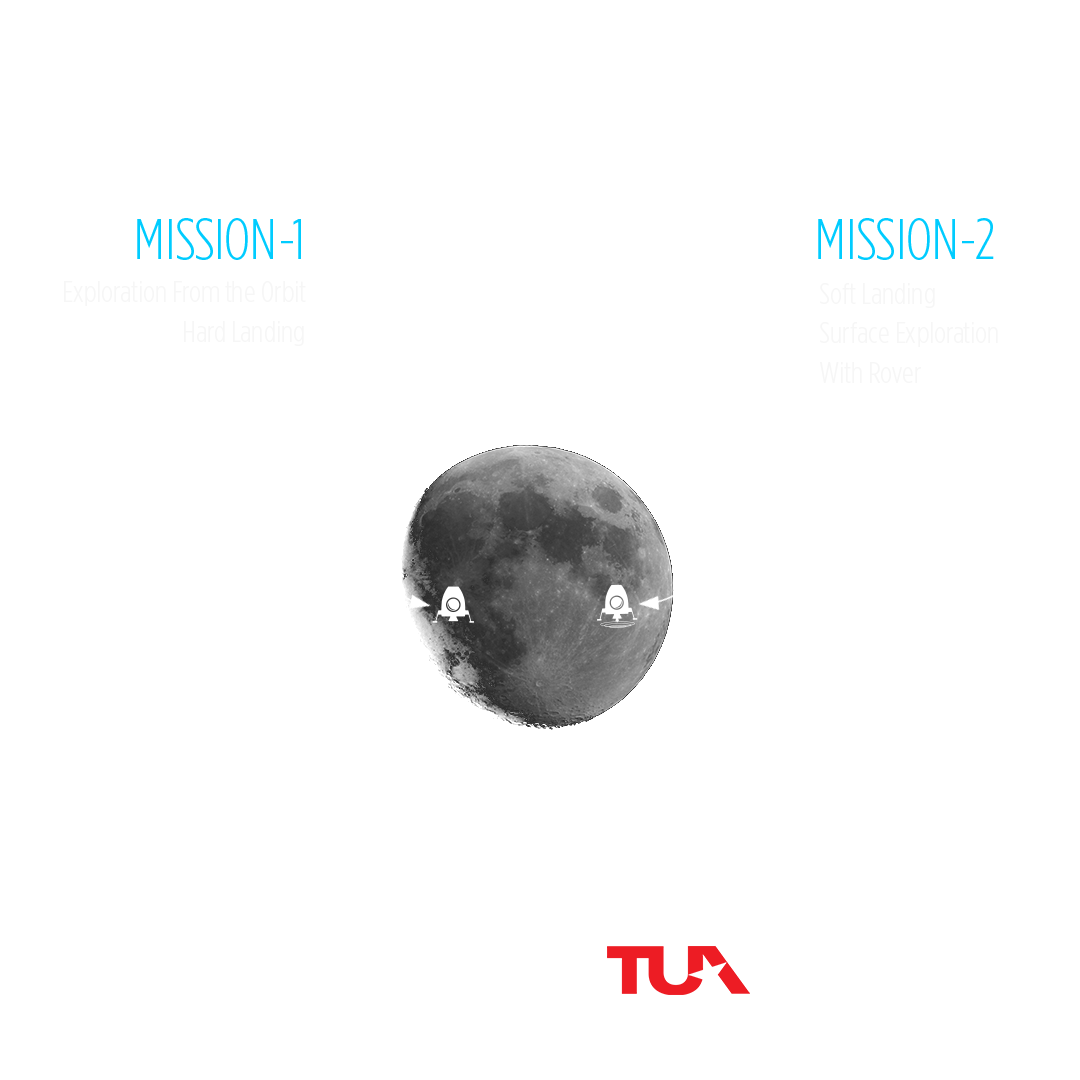
In the first phase of the mission, we will conduct exploration activities in lunar orbit with our indigenously developed spacecraft and execute a hard landing on the surface at the end of the mission. In the second phase, leveraging the experience and capabilities gained from this initial mission, we will validate our soft landing technology and carry out comprehensive scientific research on the lunar surface via our rover.
Türkiye's deep space journey begins with the Turkish Lunar Mission, the first step of the Lunar Research Program.
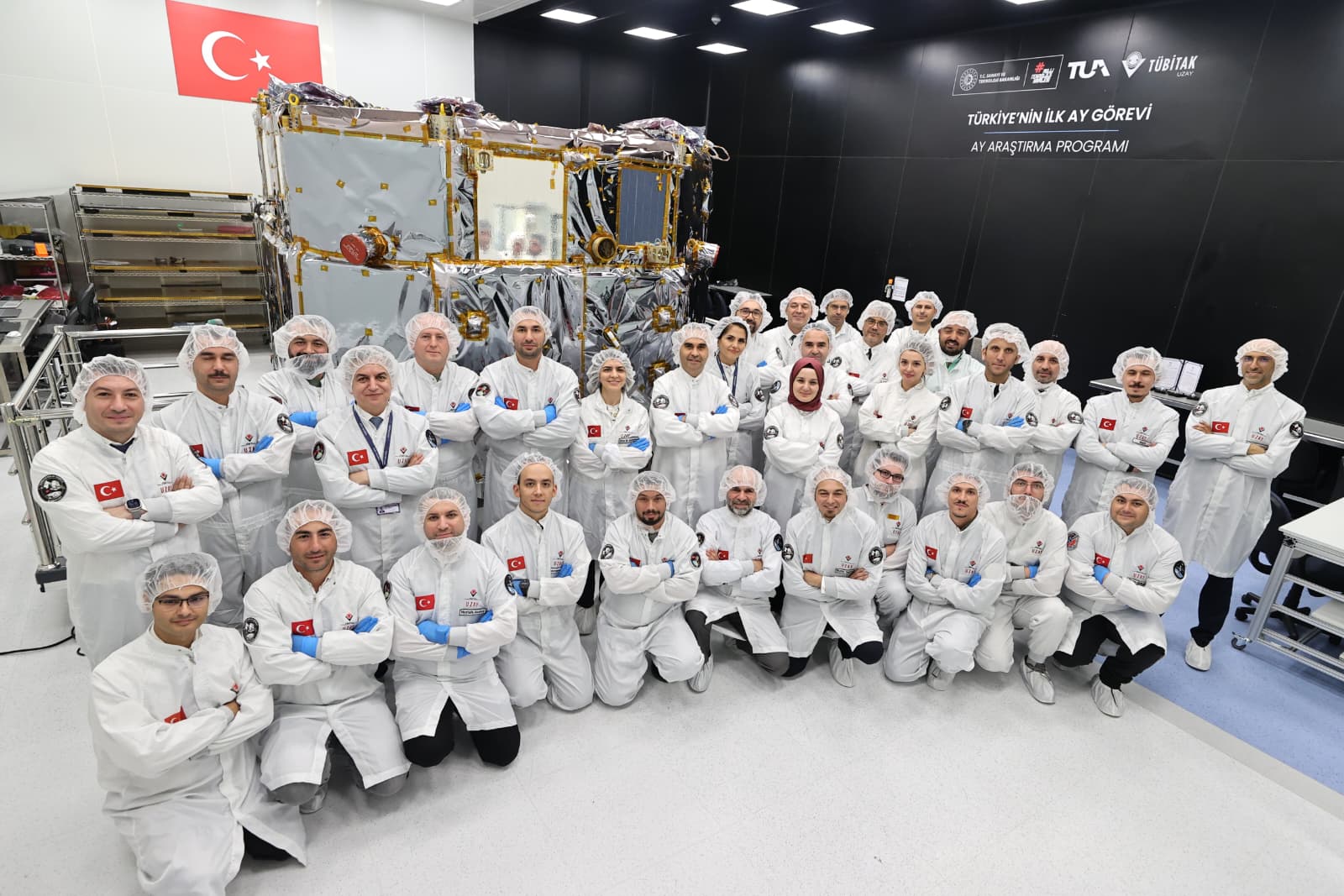
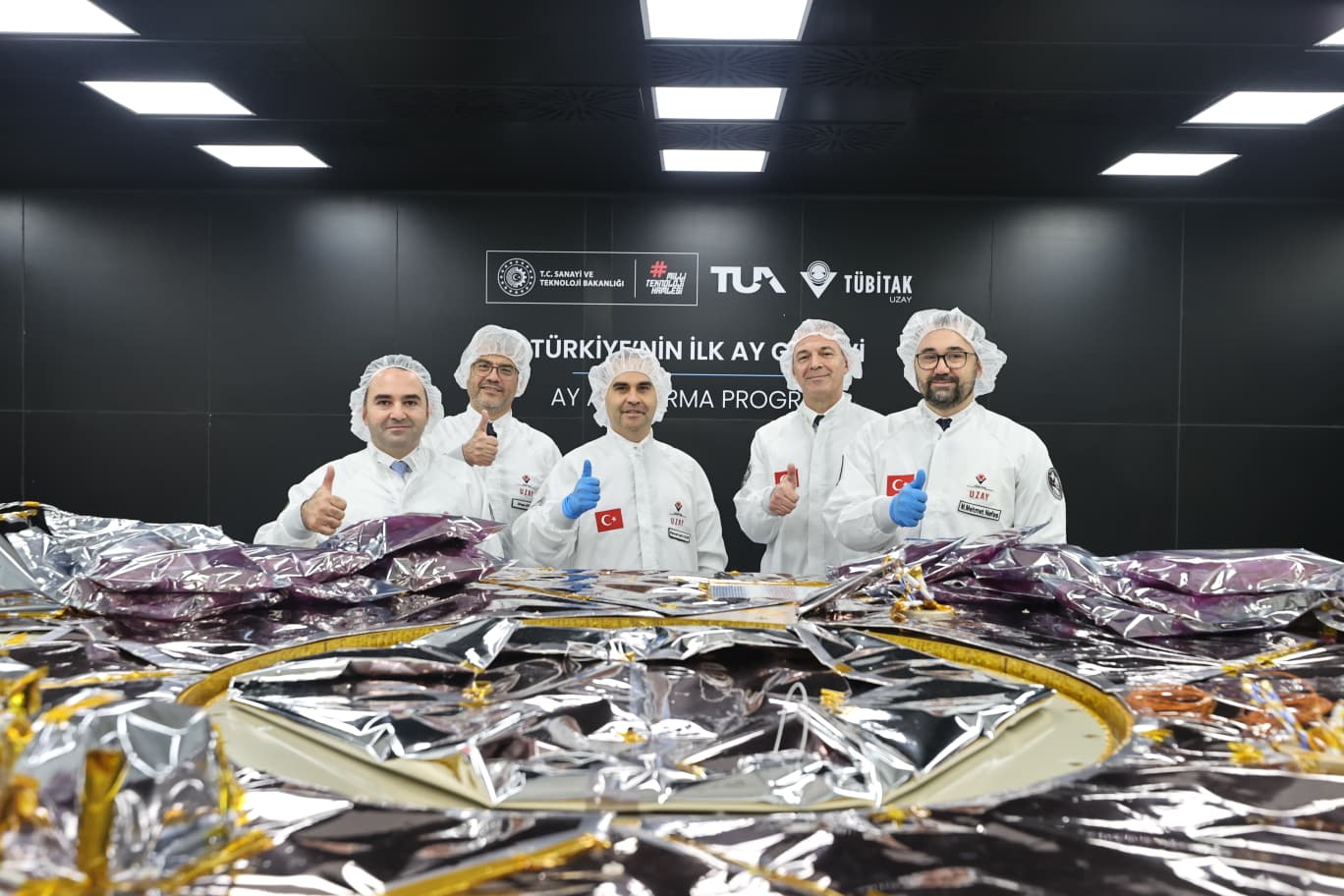
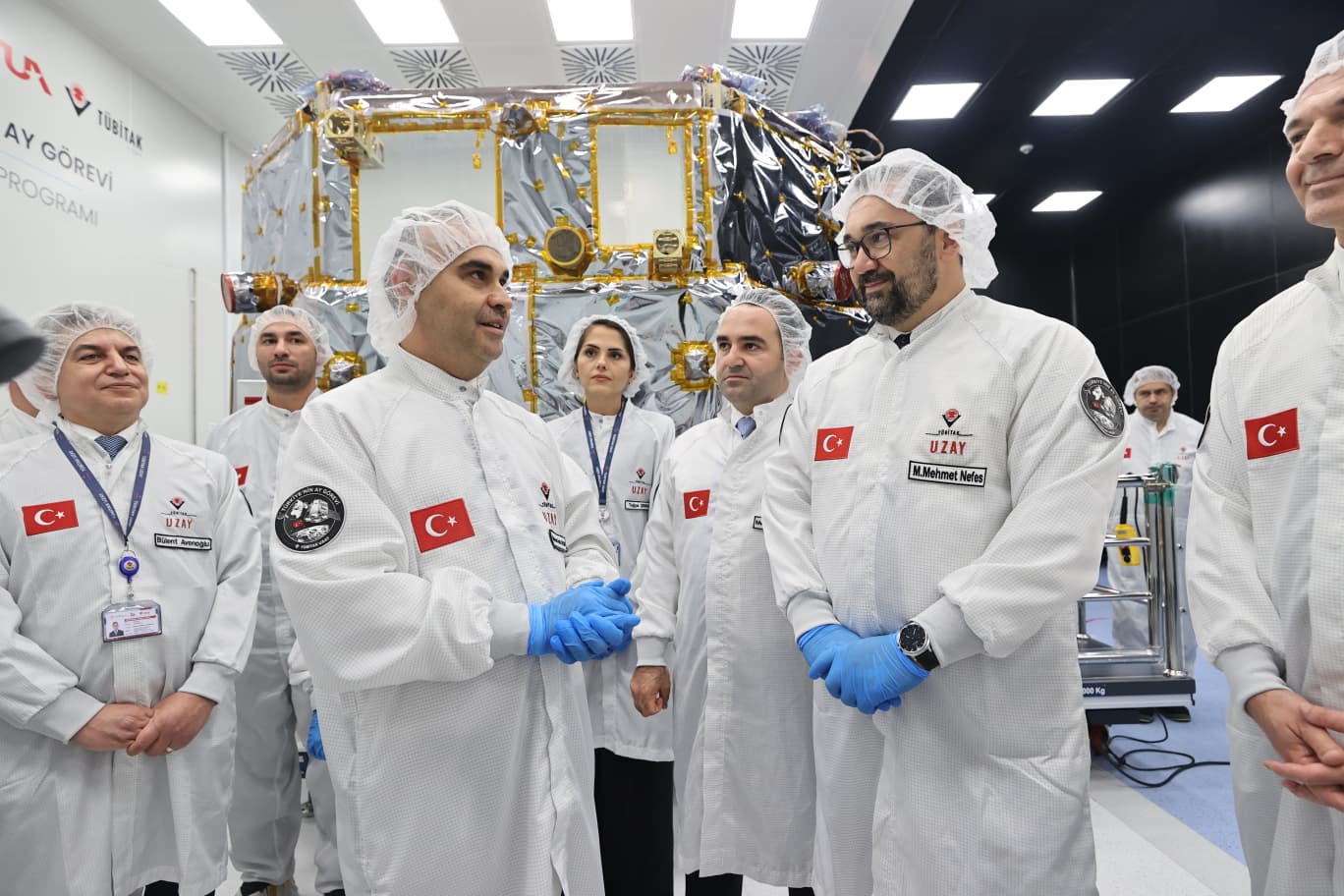
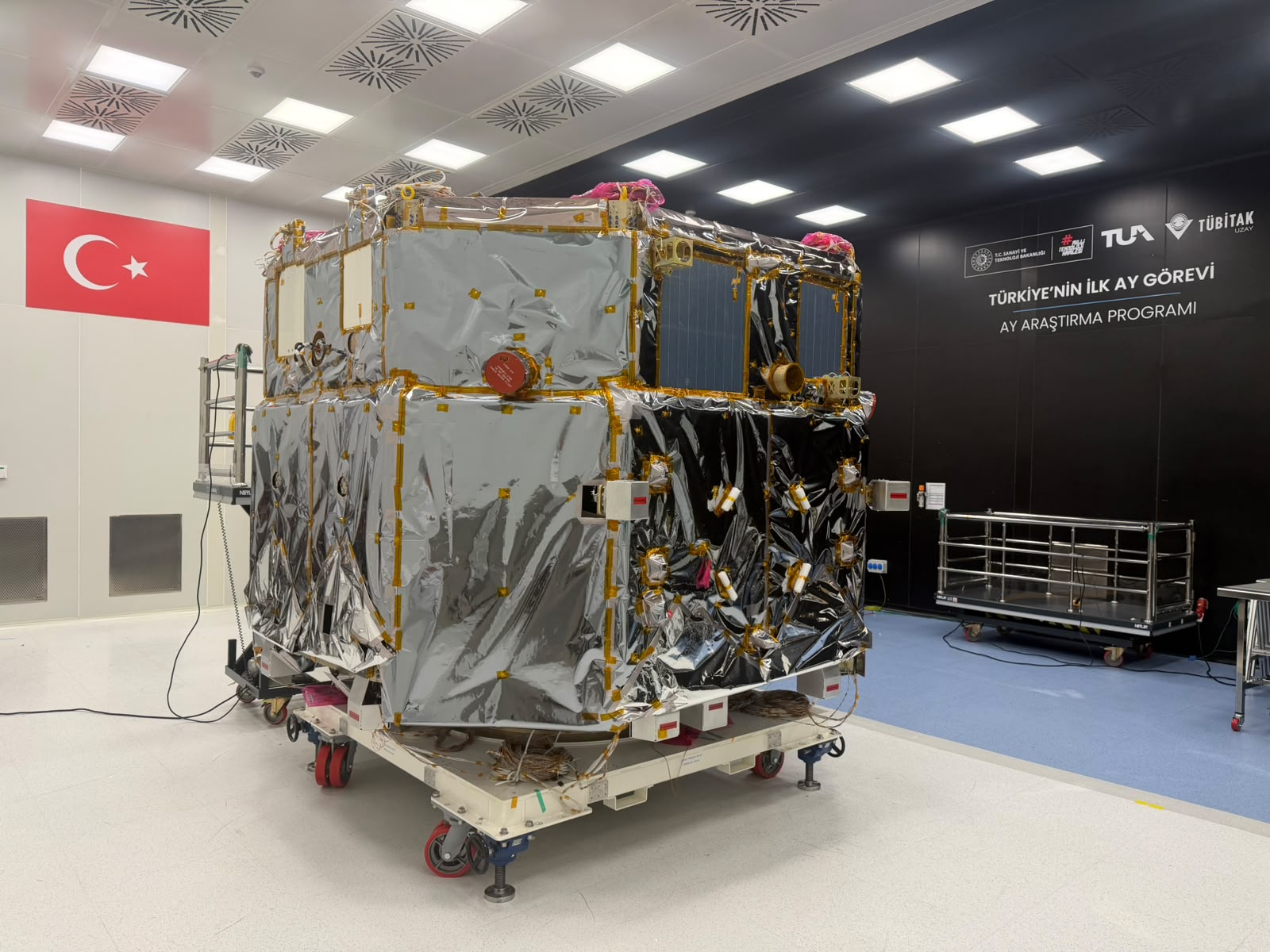
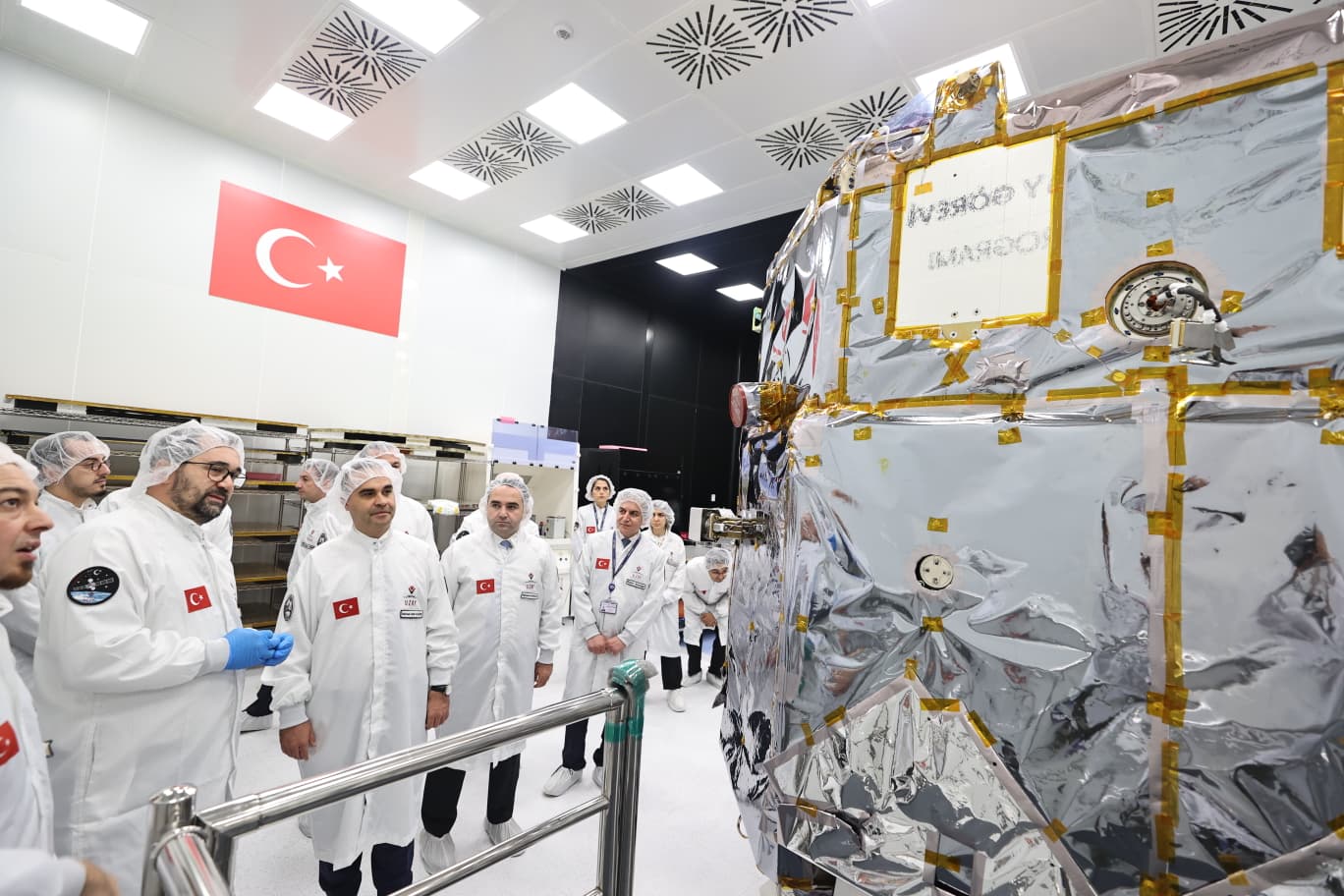
With its integration processes successfully completed and being developed with a local content rate exceeding 80%, the Lunar Spacecraft will provide our country with independent deep space operational capabilities.
Our spacecraft will carry four scientific payloads, two of which are domestically developed and two through international collaboration. Planned to operate in orbit for up to 1.5 years, it is preparing to make unique contributions to universal scientific heritage as a high-resolution lunar water cycle observatory
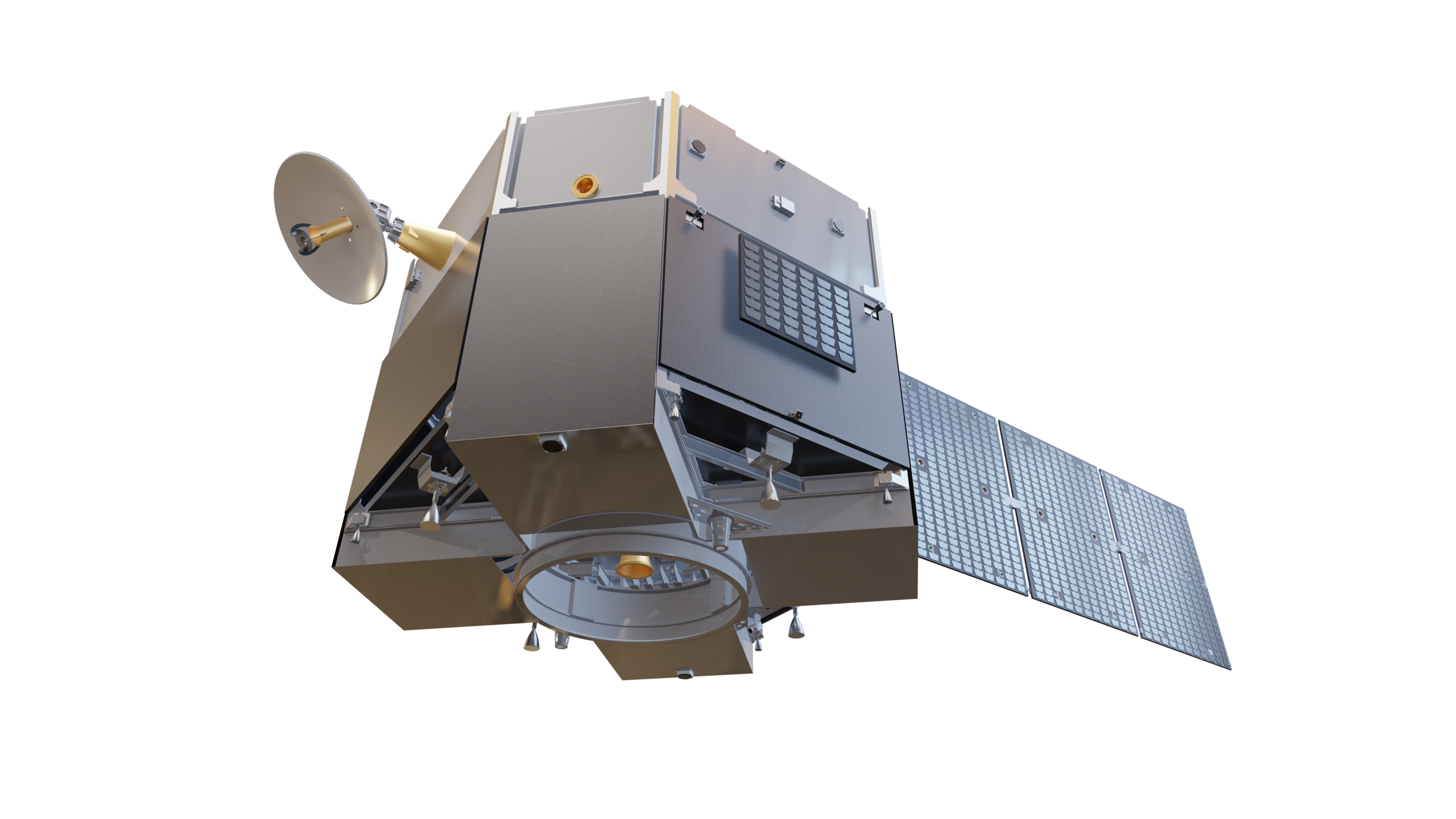
TstarD-100, developed by TÜBİTAK UZAY
100 km circular polar lunar orbit
0.7-meter resolution panchromatic imaging
60-degree field of view video and wide-area RGB imaging
2.6 kW
300 kg
< 3600 kg
2027 Q2
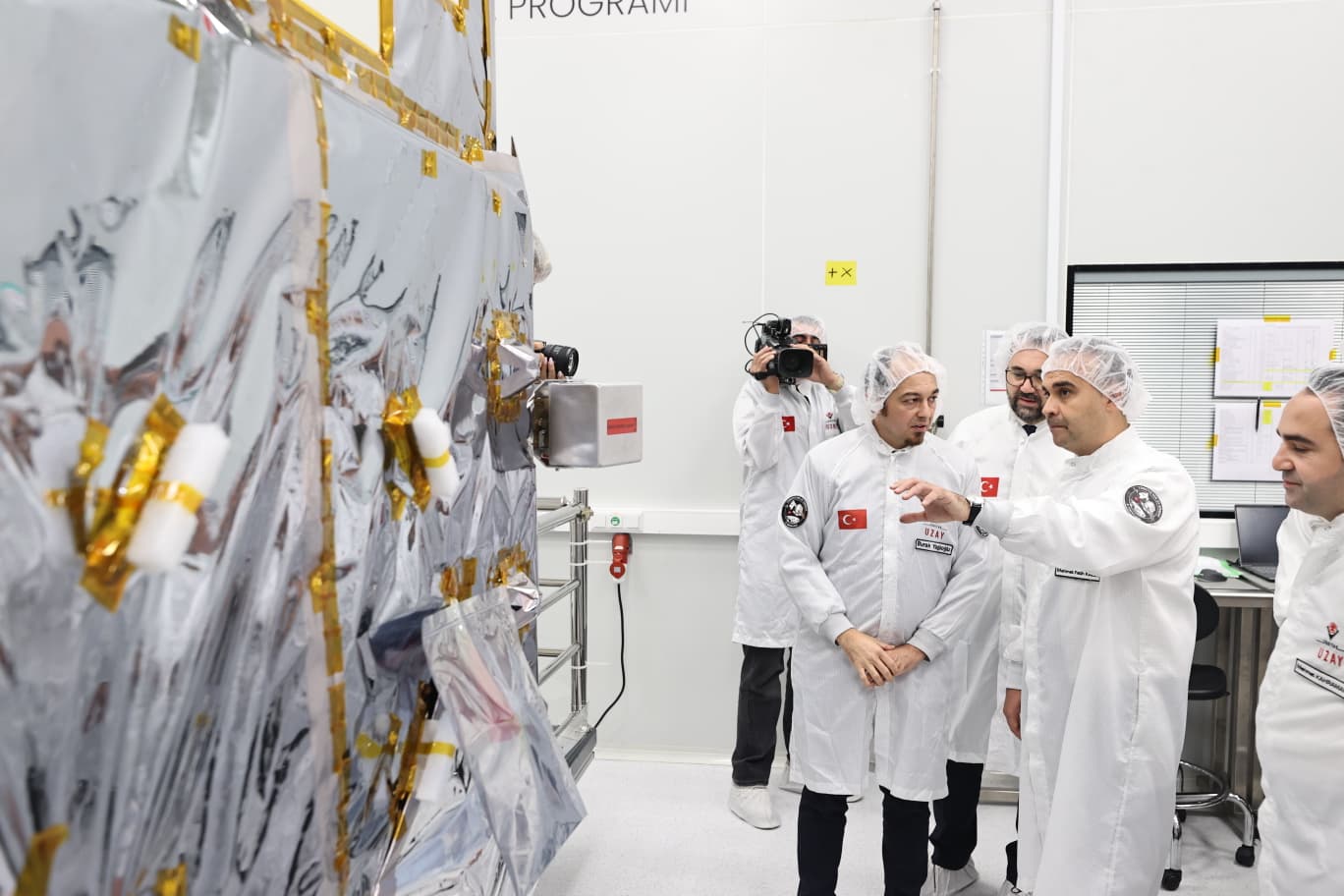
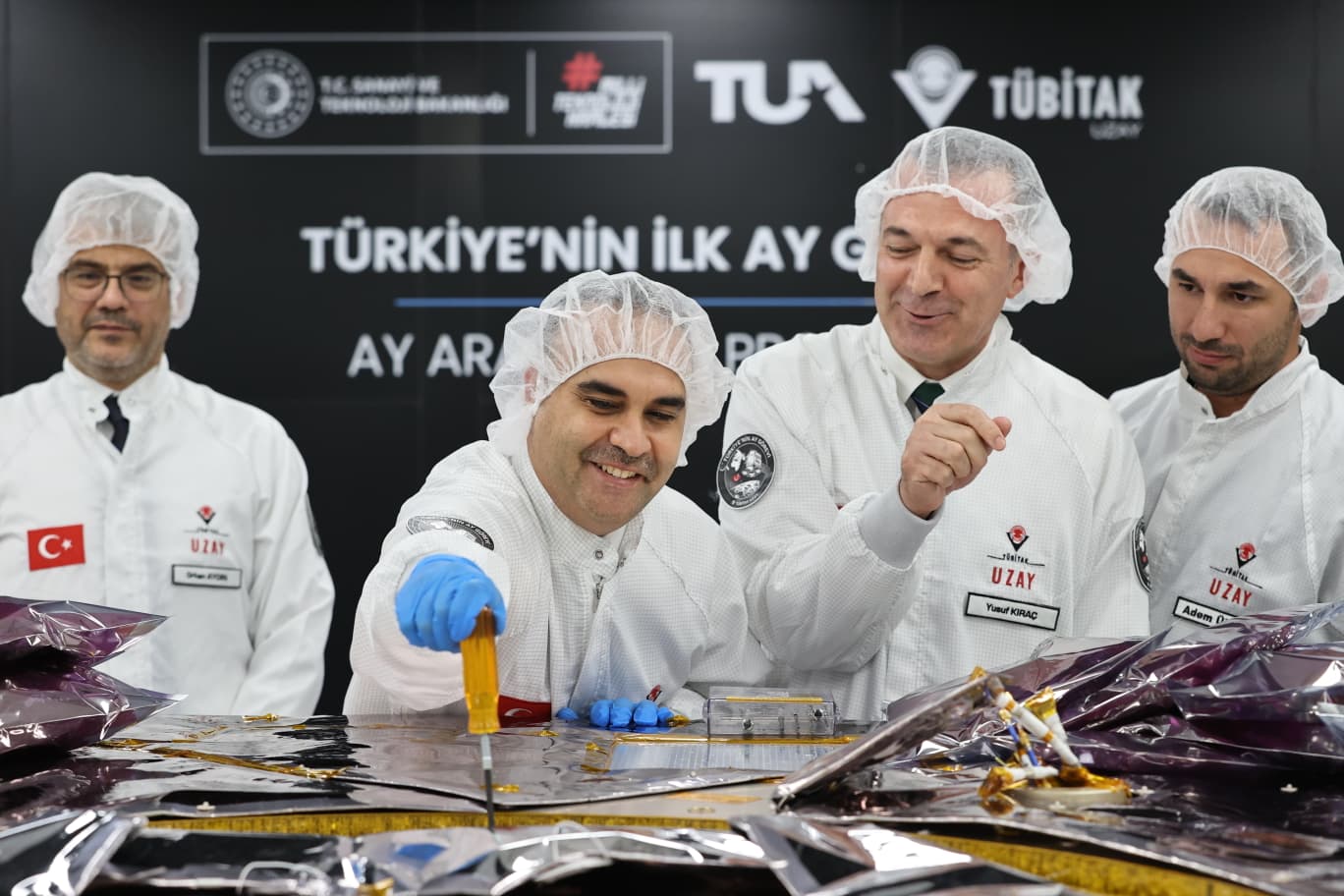
On September 14, 2026, the Lunar Spacecraft, developed by TÜBİTAK UZAY, successfully concluded its integration phase."
To read the full article, please Click here.